Project Research
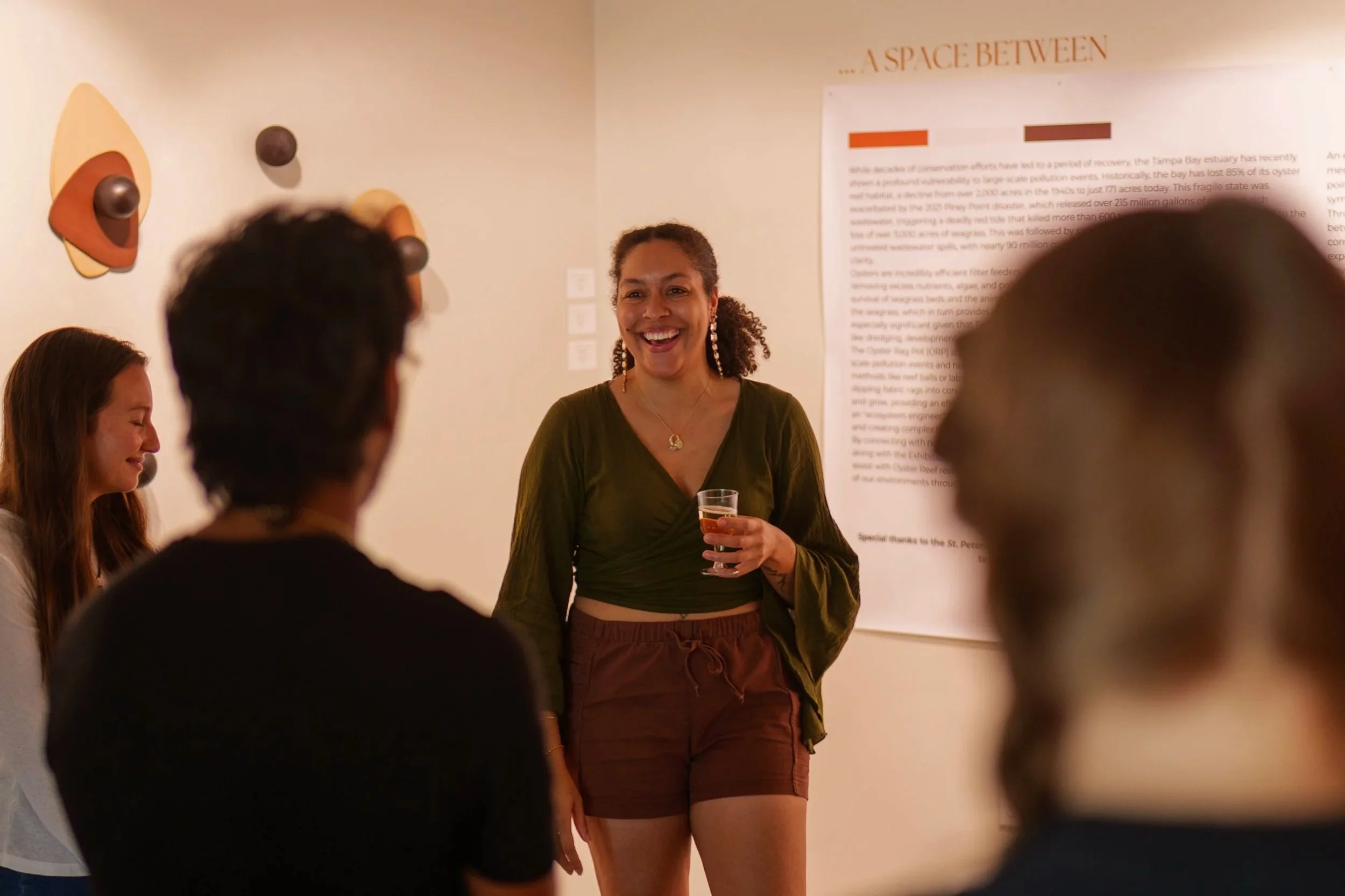
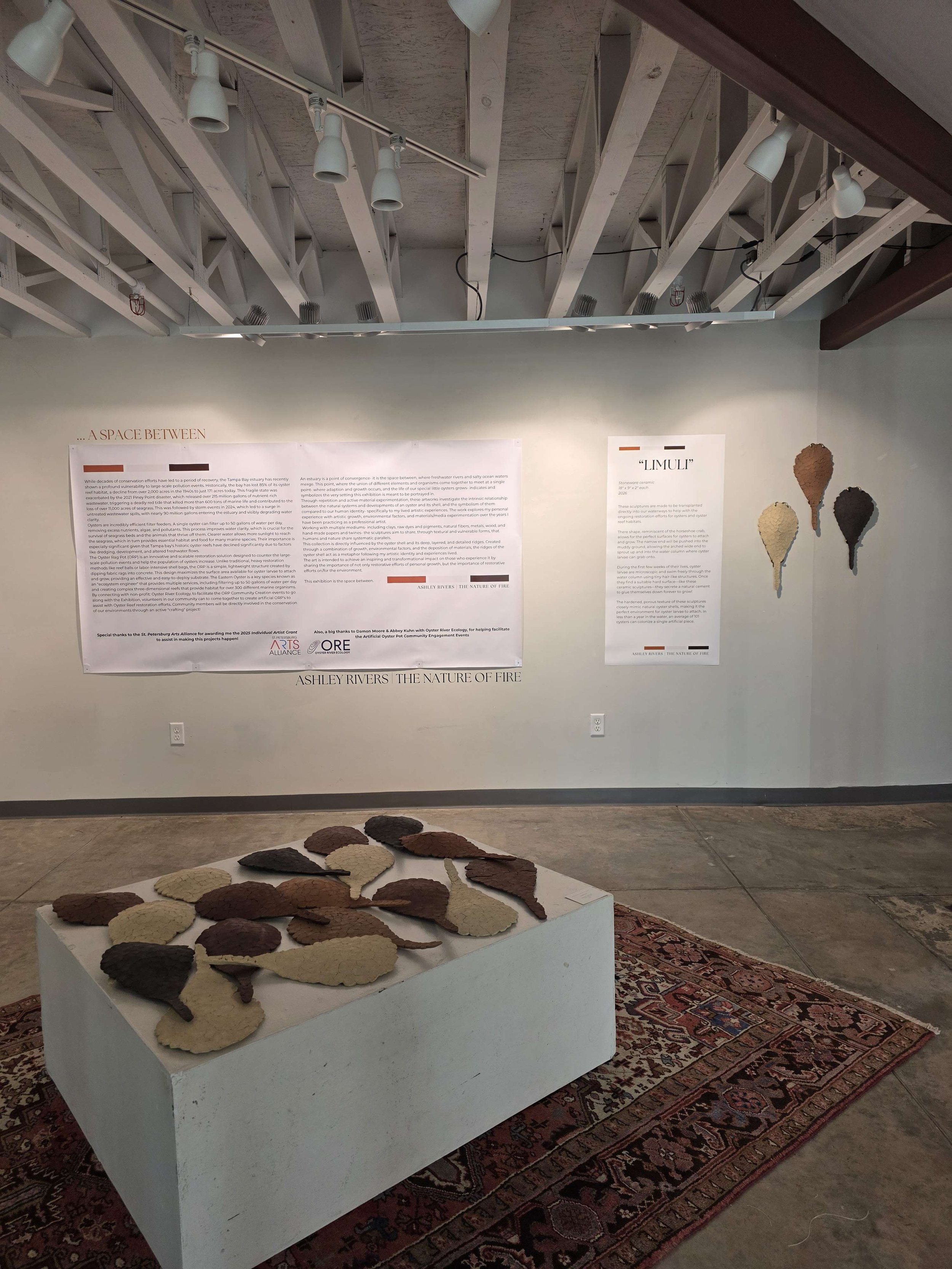
While decades of conservation efforts have led to a period of recovery, the Tampa Bay estuary has recently shown a profound vulnerability to large-scale pollution events. Historically, the bay has lost 85% of its oyster reef habitat, a decline from over 2,000 acres in the 1940s to just 171 acres today. This fragile state was exacerbated by the 2021 Piney Point disaster, which released over 215 million gallons of nutrient-rich wastewater, triggering a deadly red tide that killed more than 600 tons of marine life and contributed to the loss of over 11,000 acres of seagrass. This was followed by storm events in 2024, which led to a surge in untreated wastewater spills, with nearly 90 million gallons entering the estuary and visibly degrading water clarity.
Oysters are incredibly efficient filter feeders. A single oyster can filter up to 50 gallons of water per day, removing excess nutrients, algae, and pollutants. This process improves water clarity, which is crucial for the survival of seagrass beds and the animals that thrive off them. Clearer water allows more sunlight to reach the seagrass, which in turn provides essential habitat and food for many marine species. Their importance is especially significant given that Tampa bay's historic oyster reefs have declined significantly due to factors like dredging, development, and altered freshwater flows.
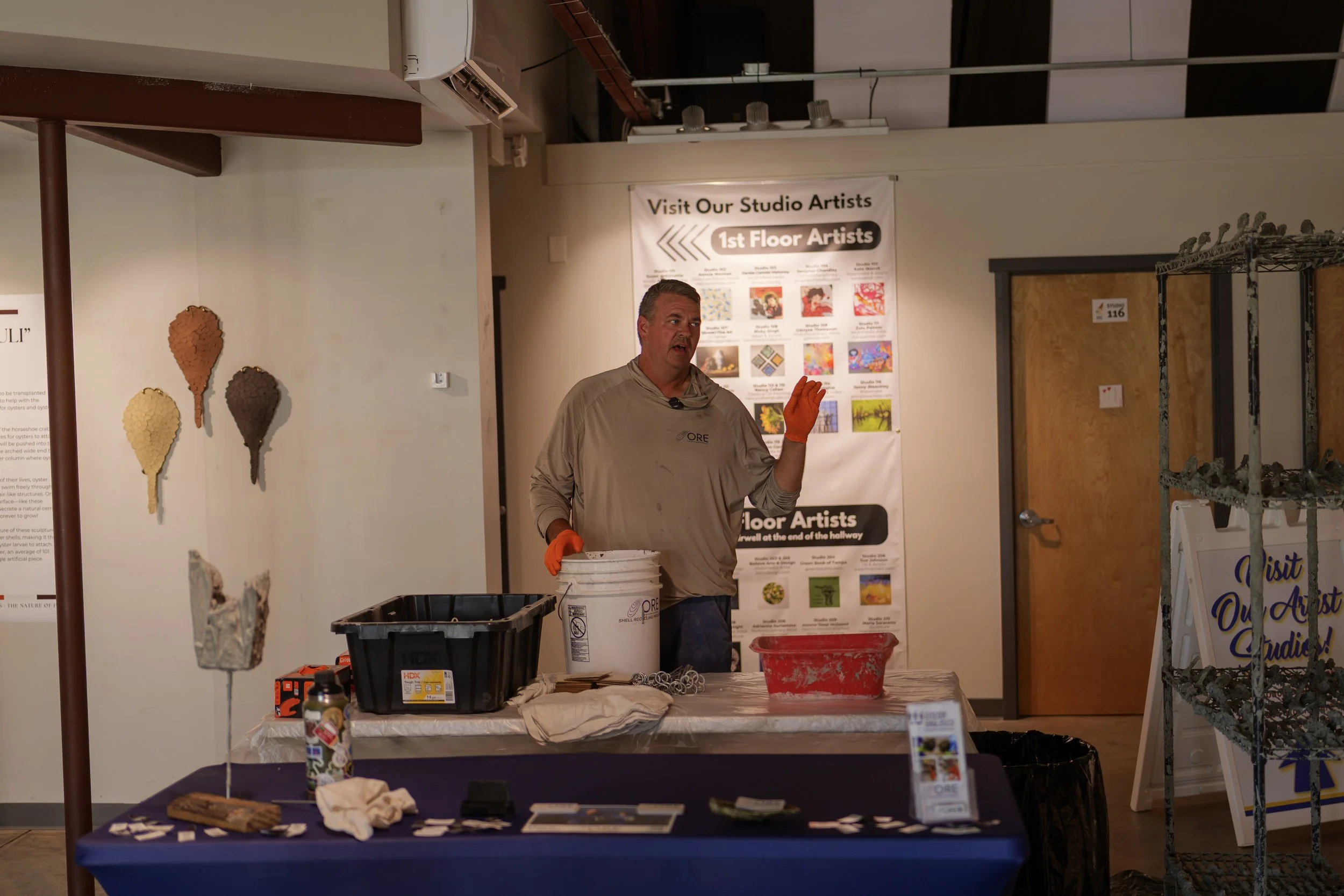
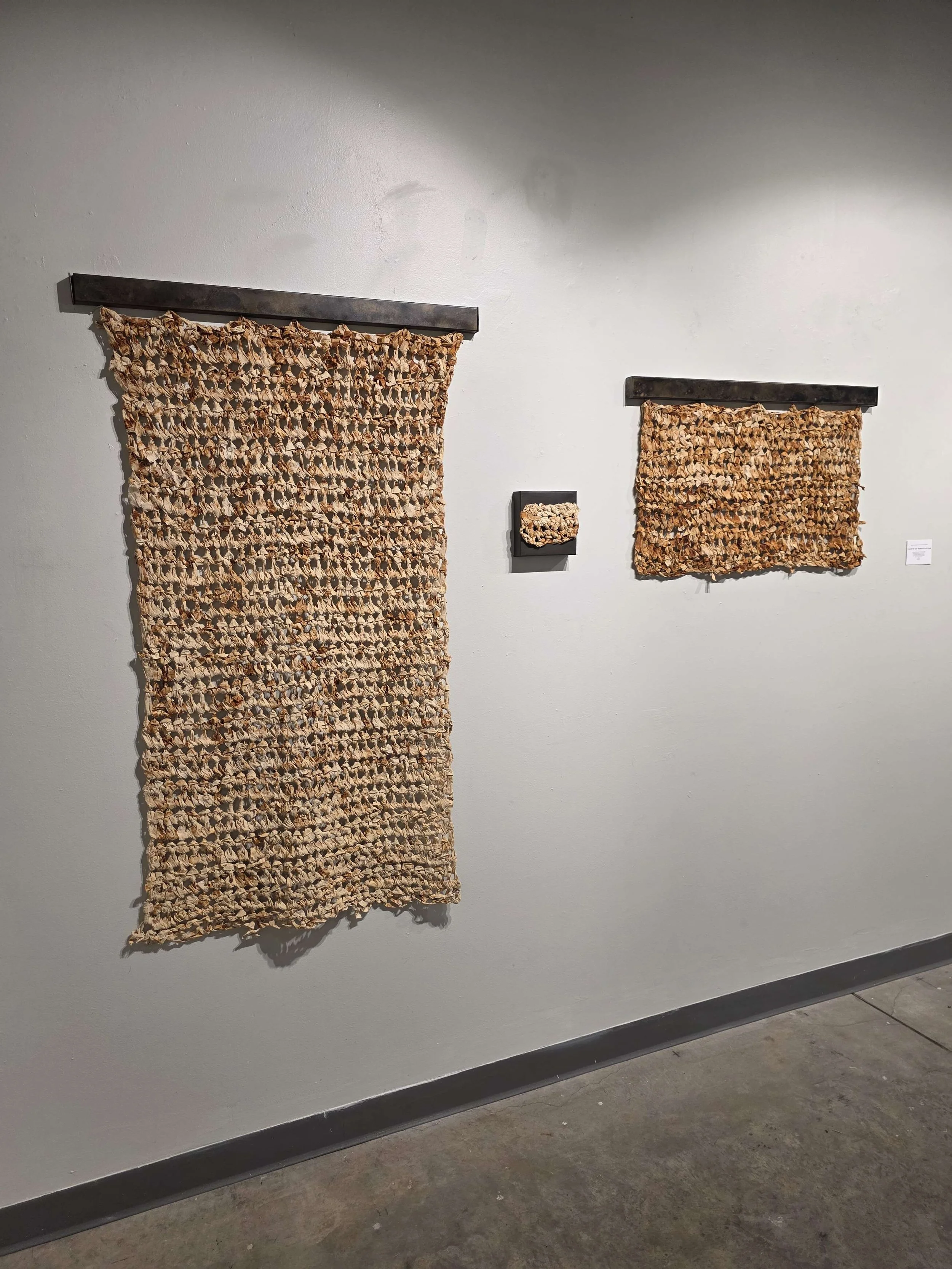
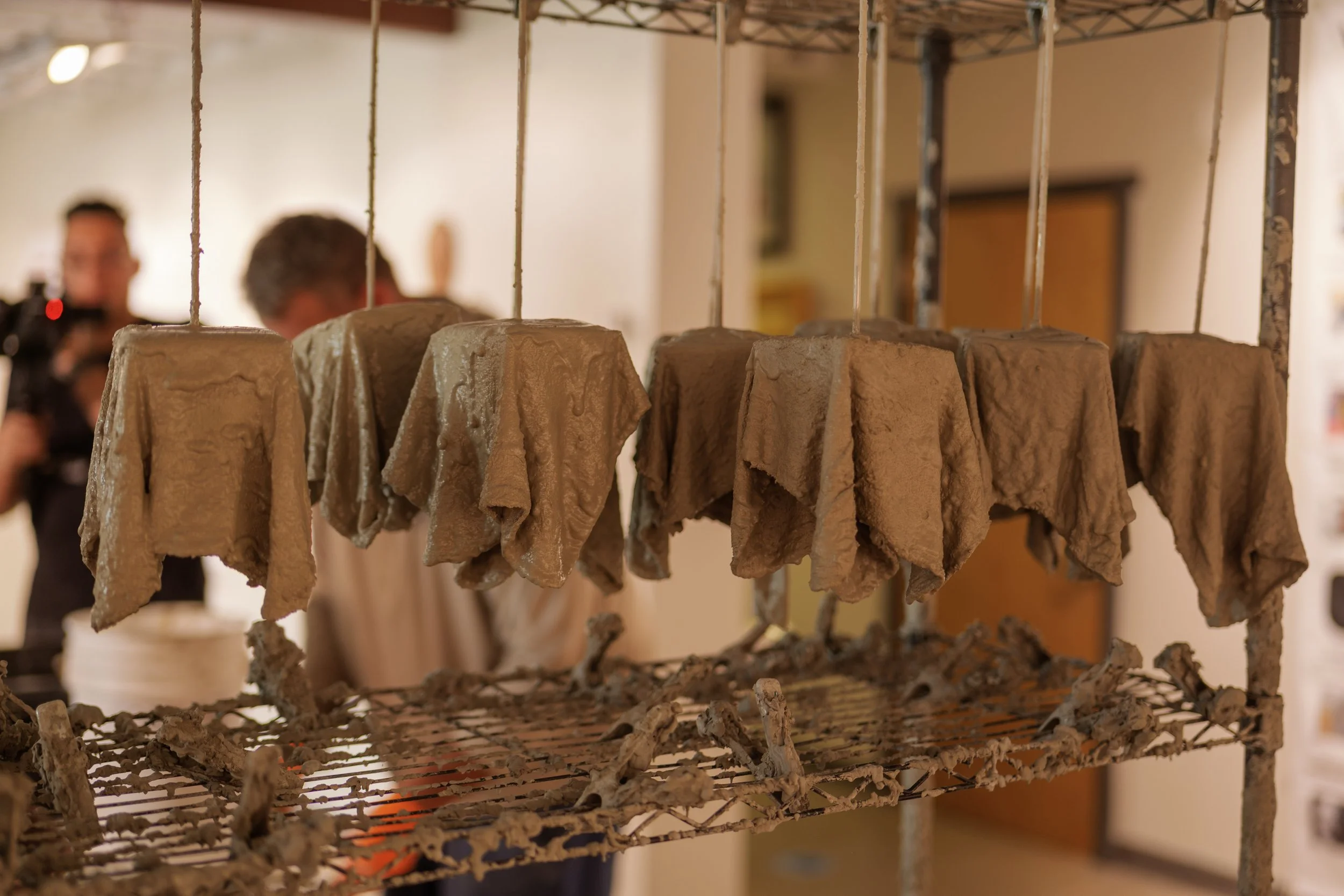
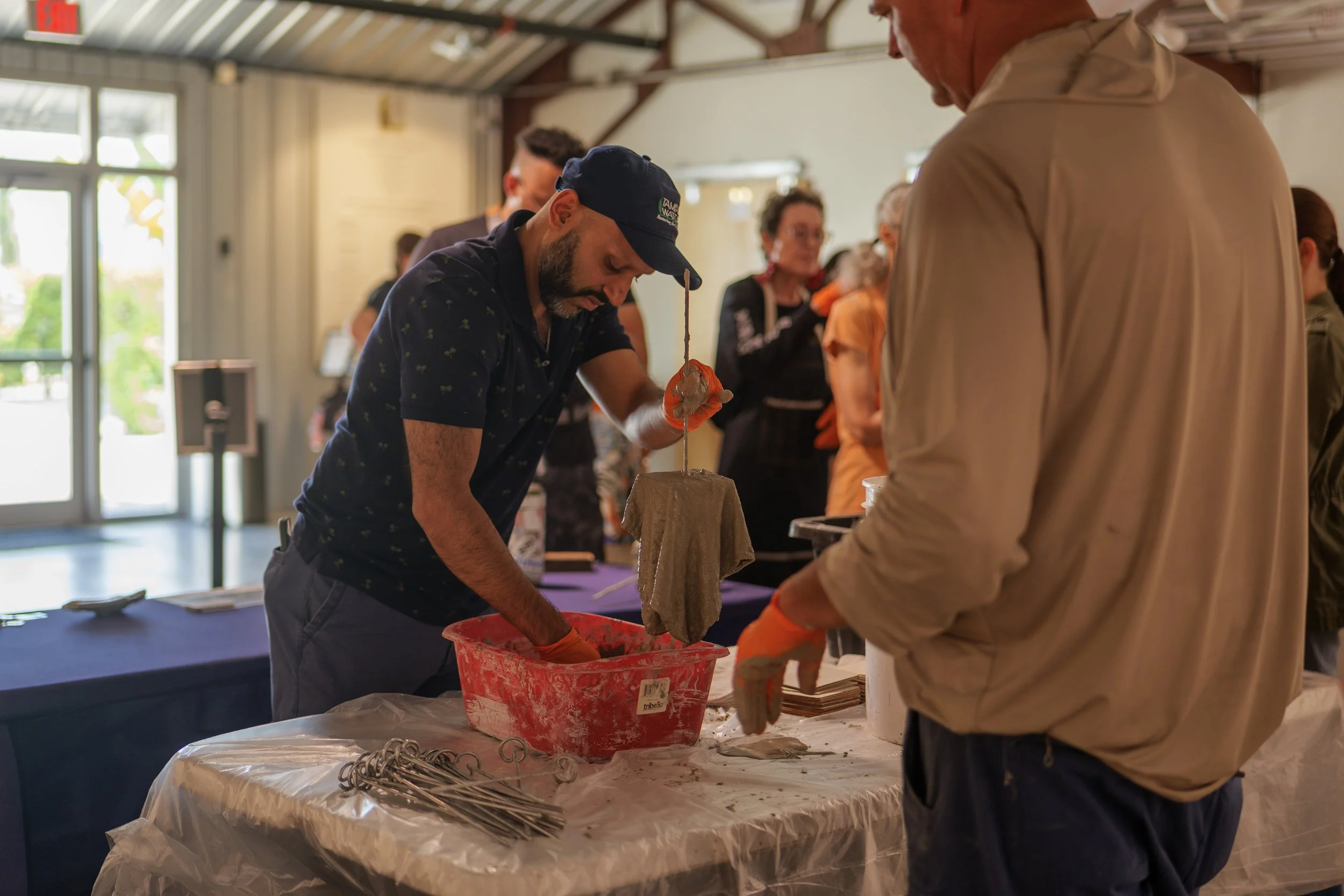
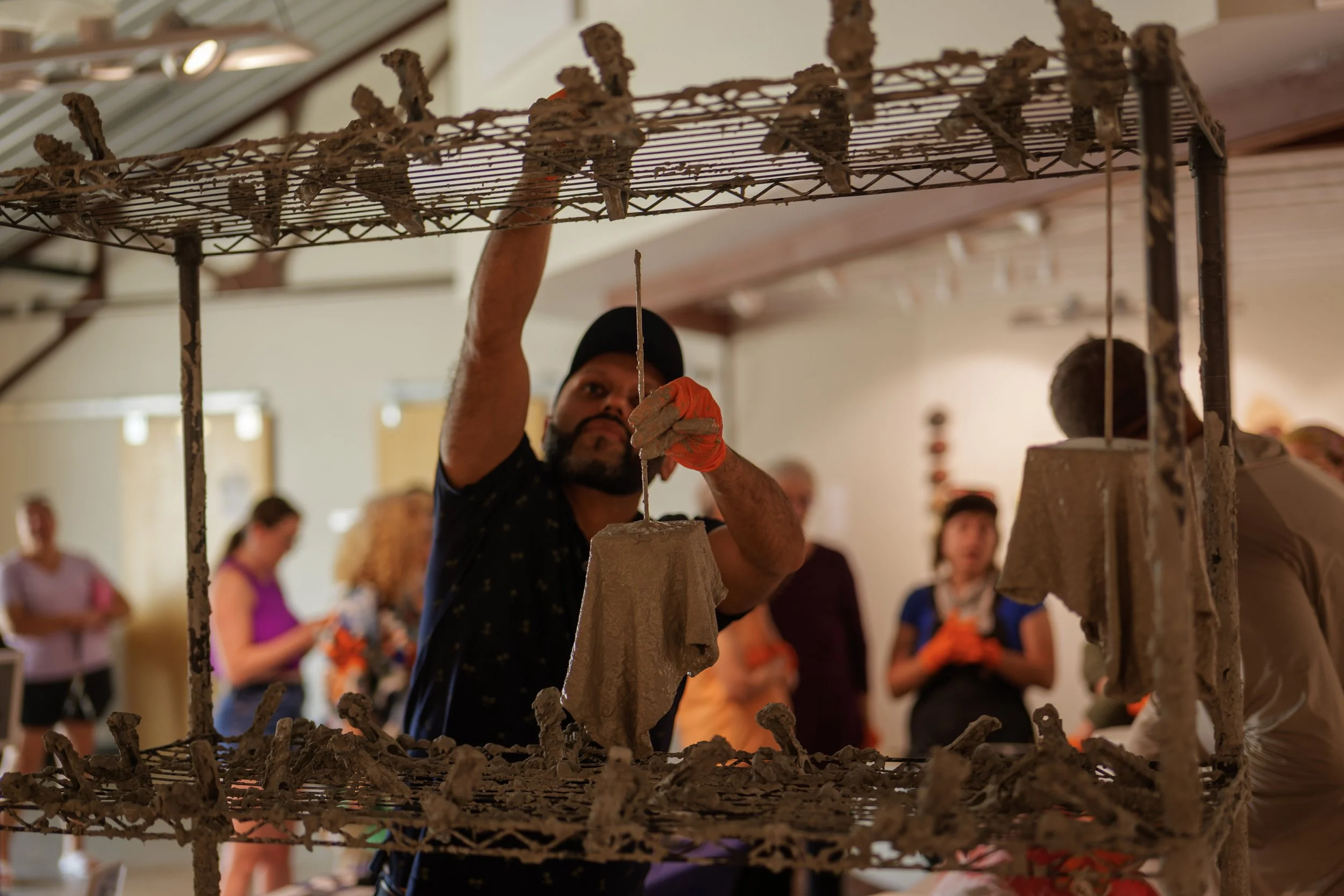
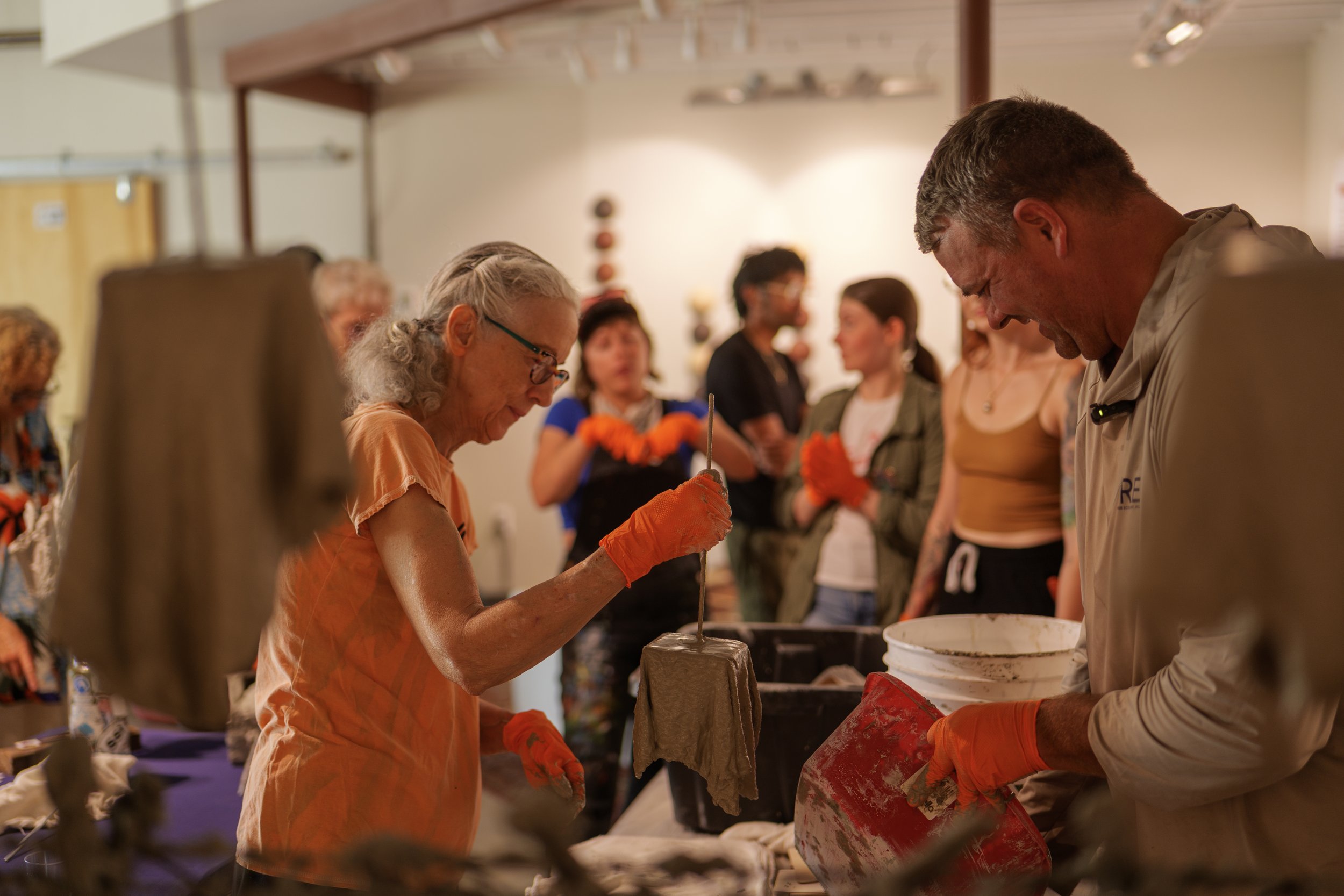
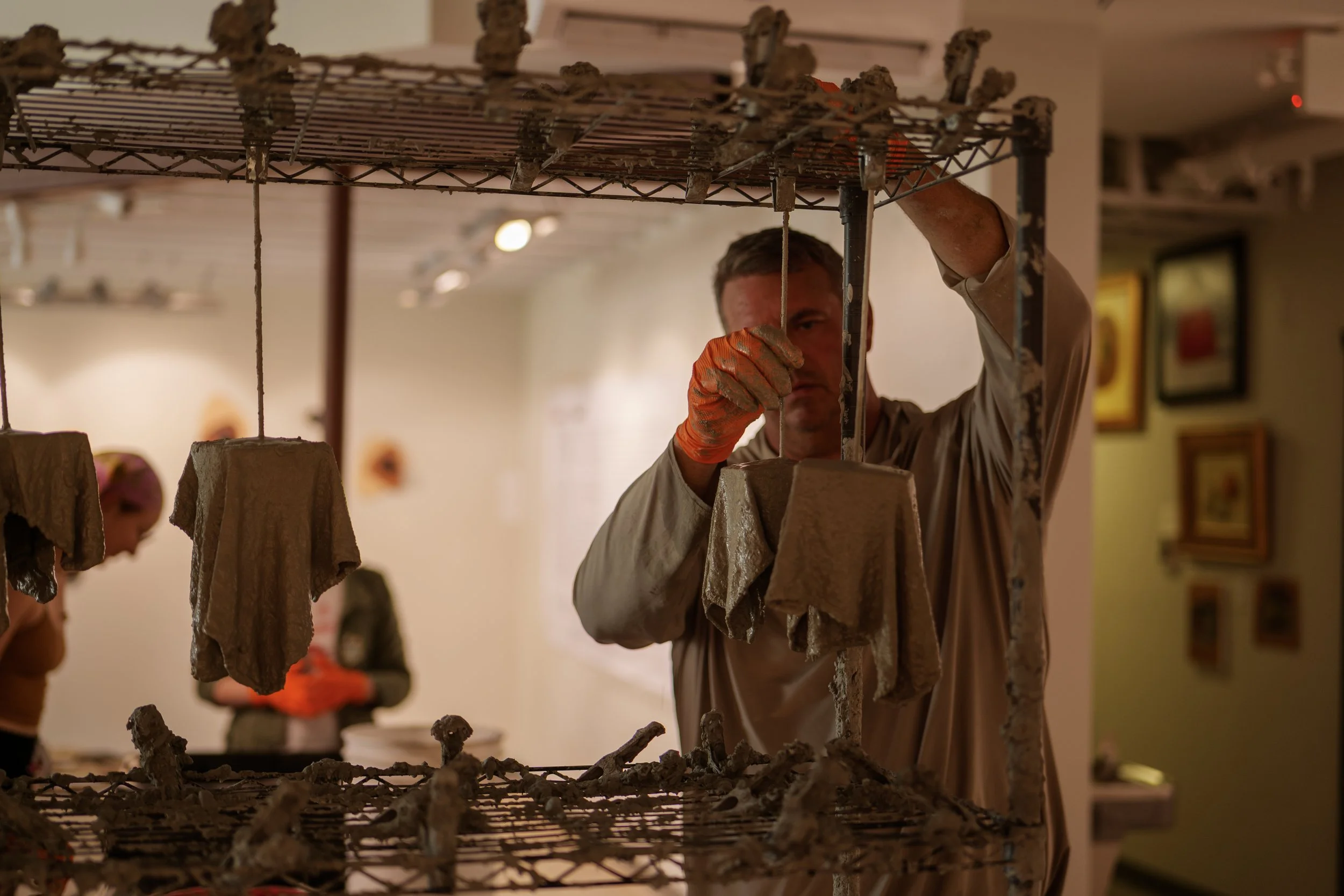
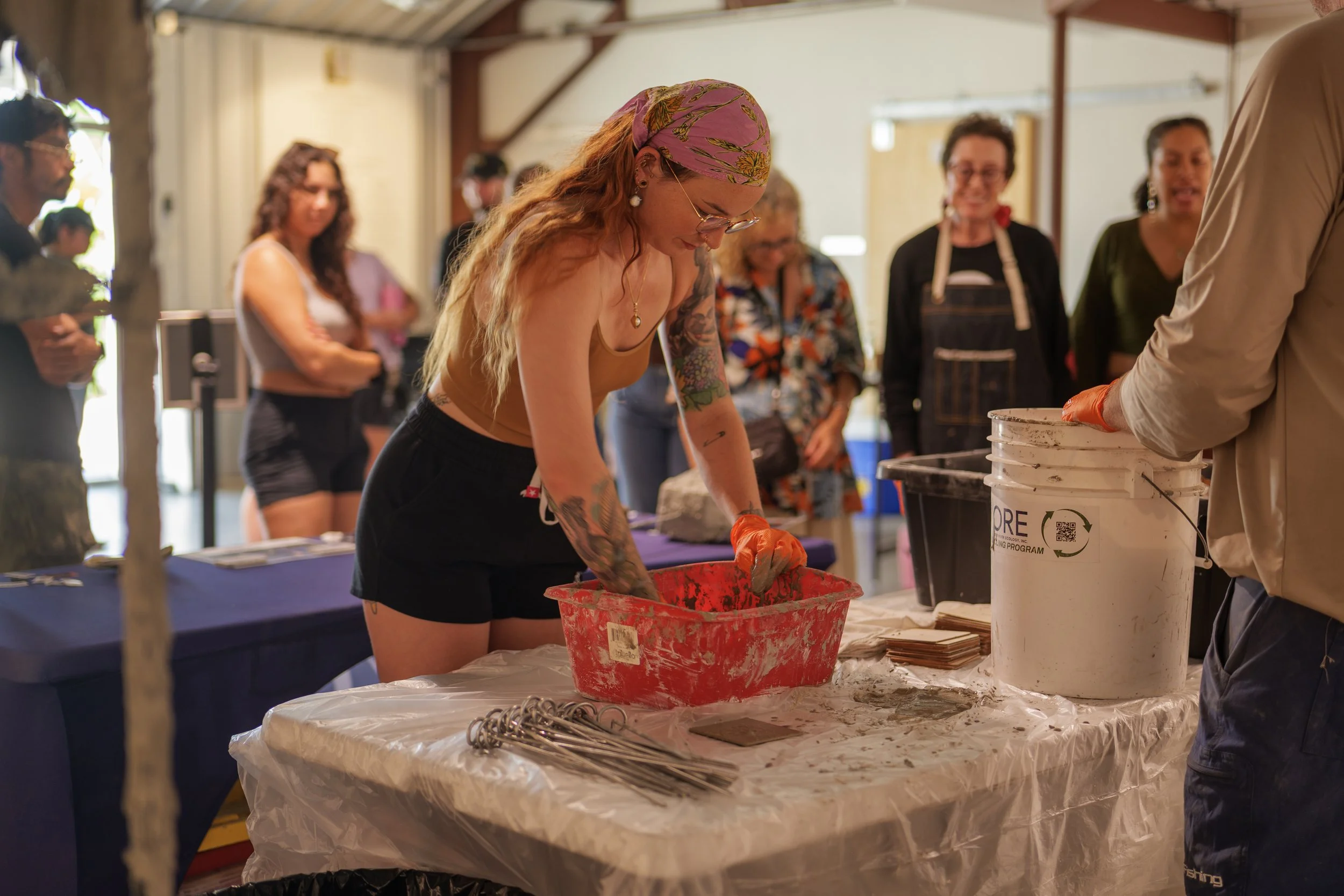
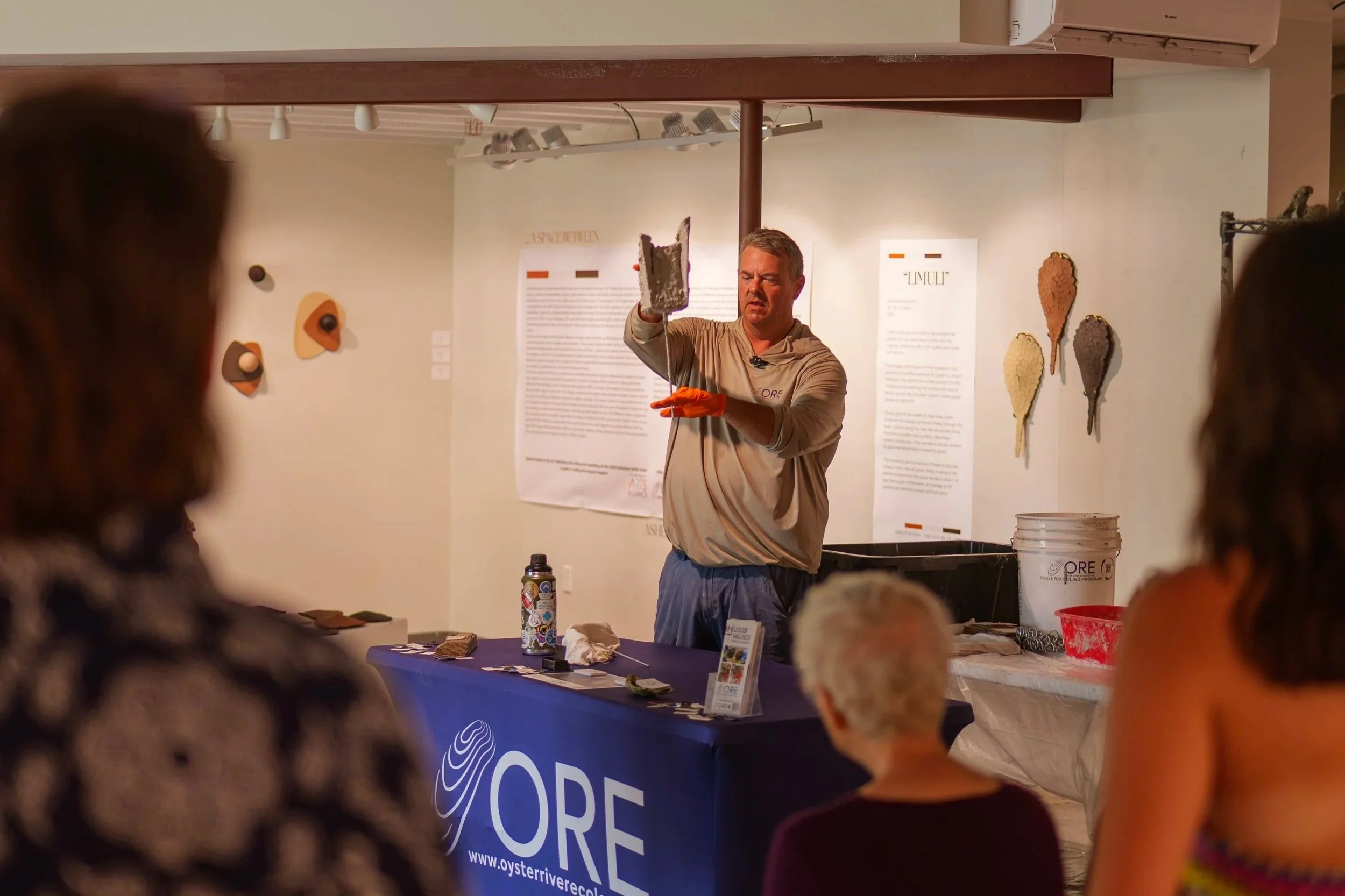
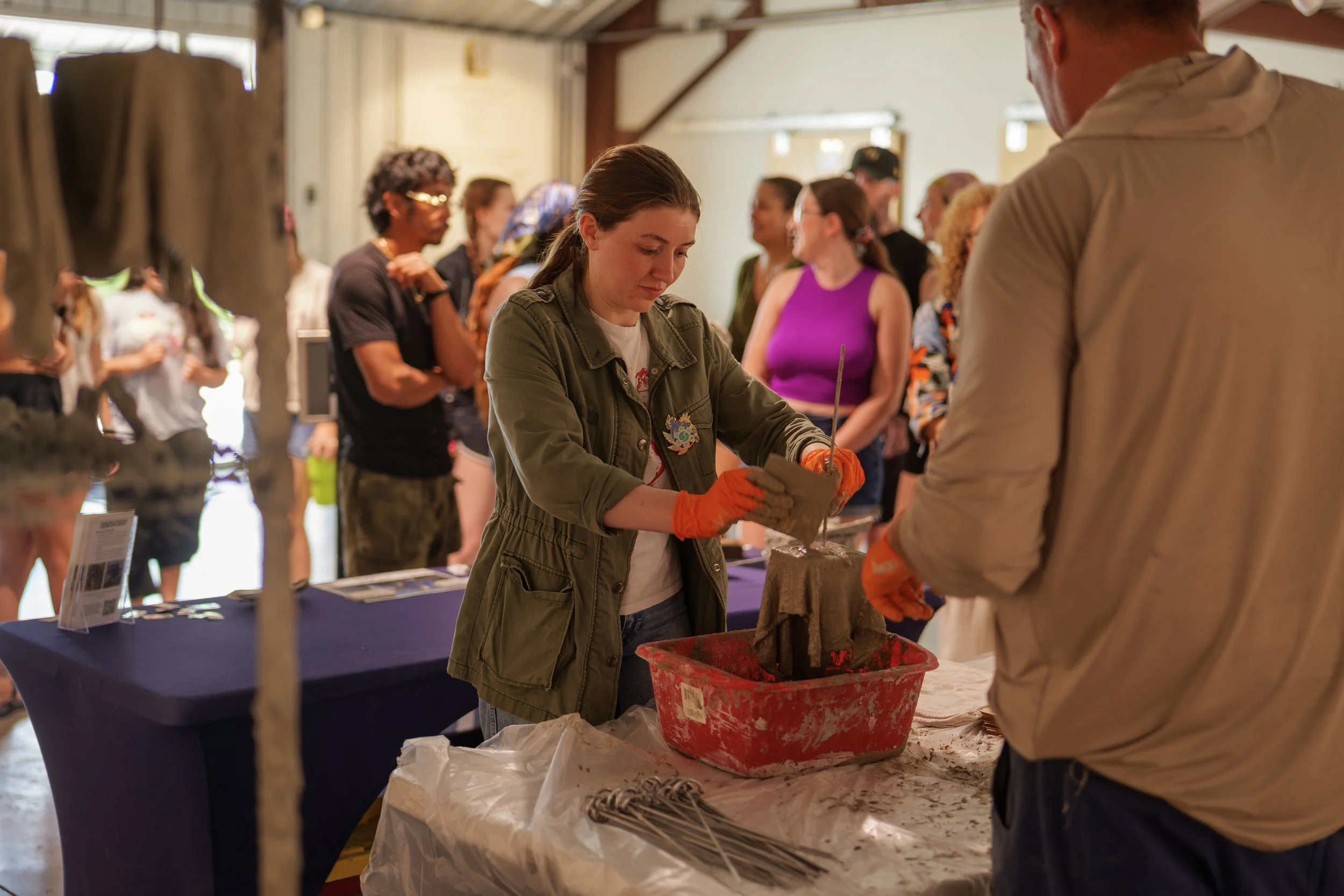
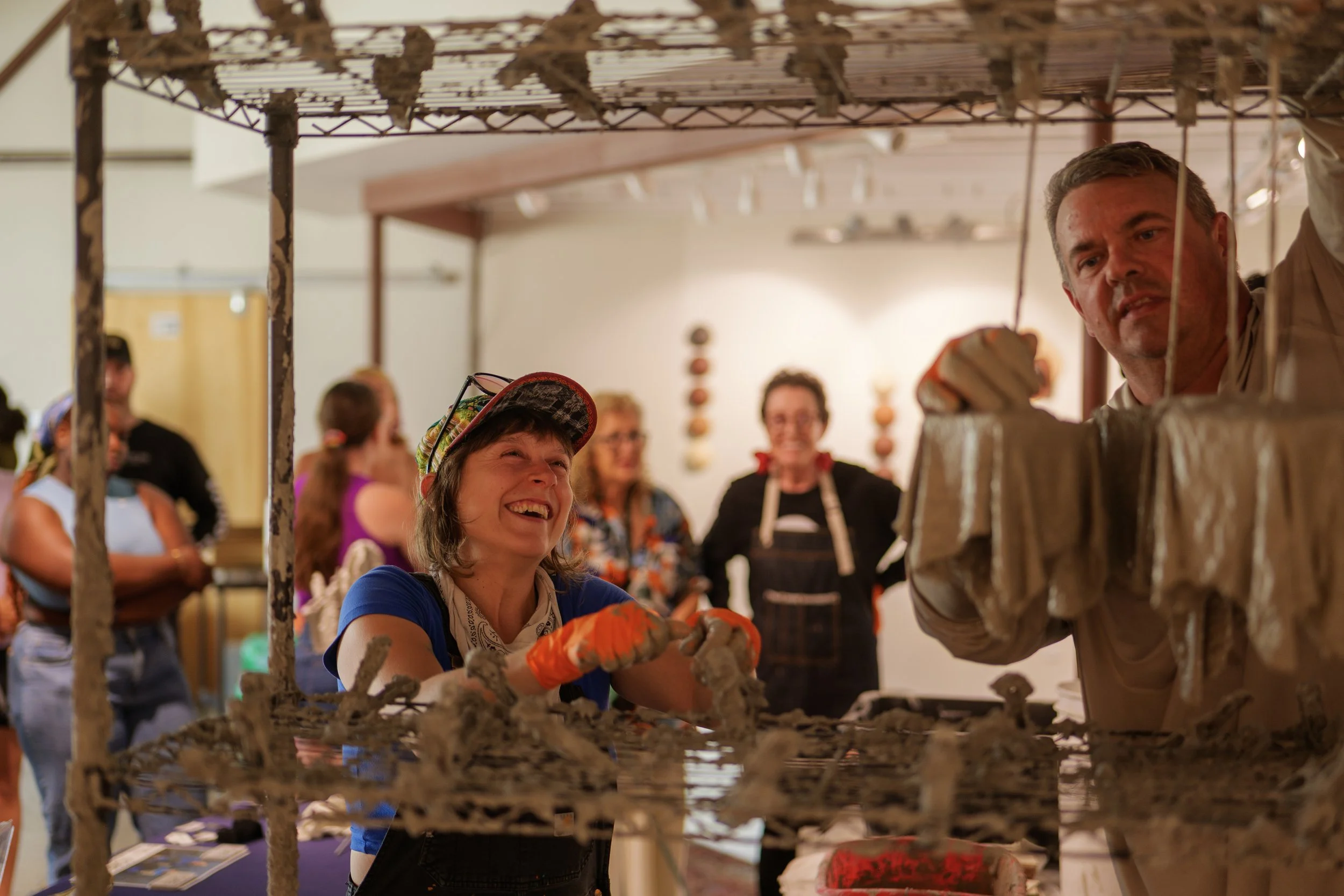
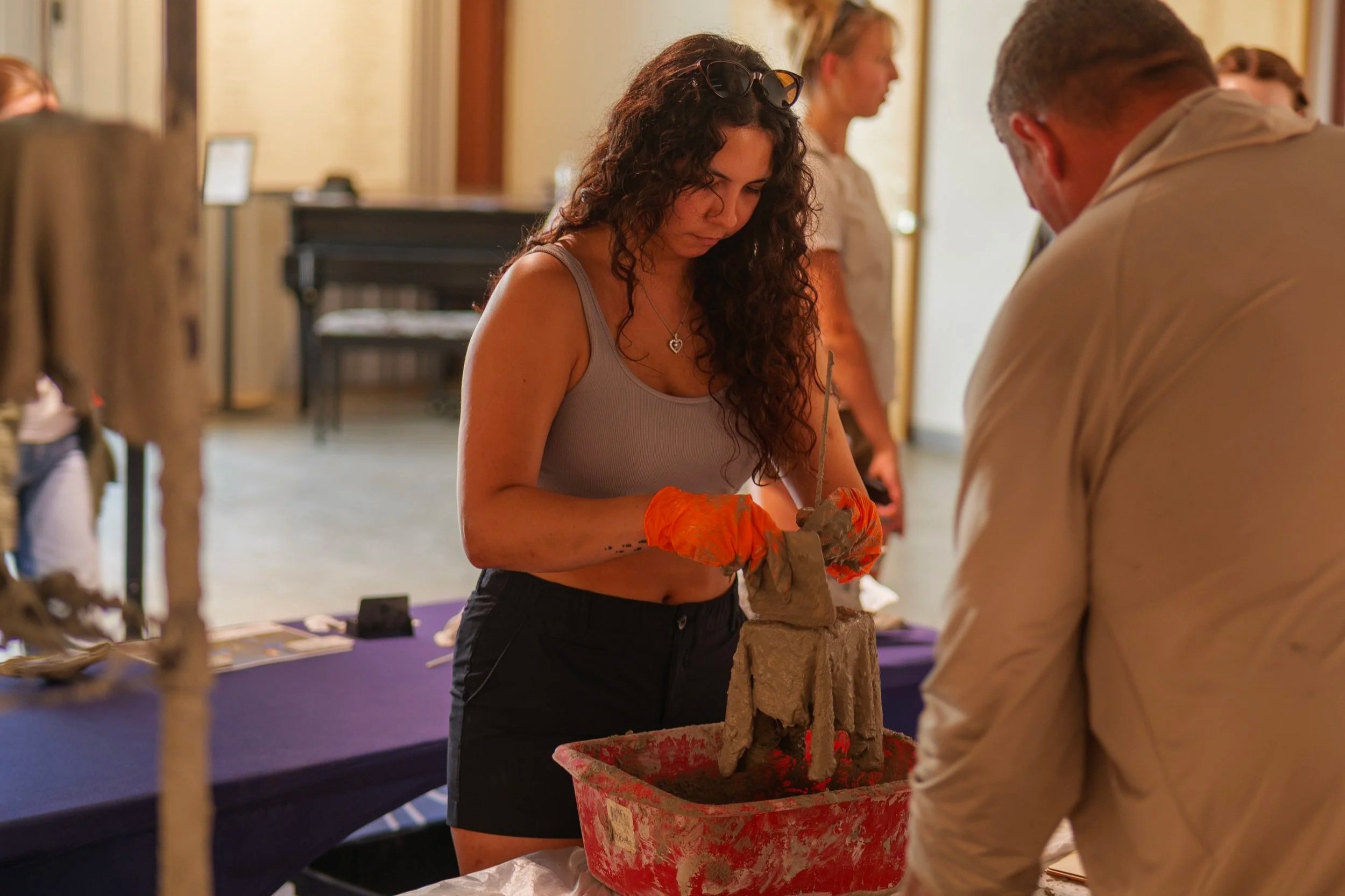
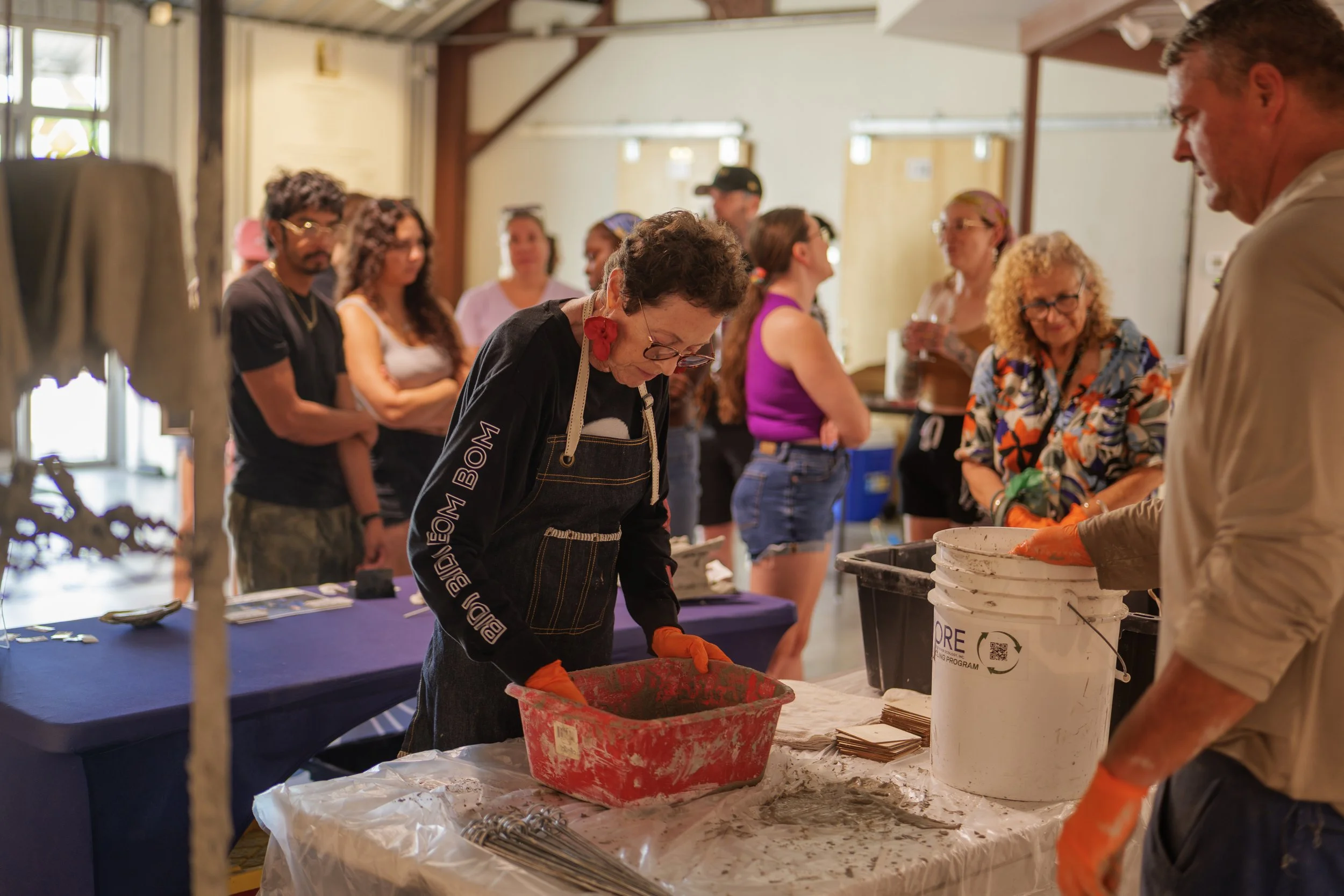
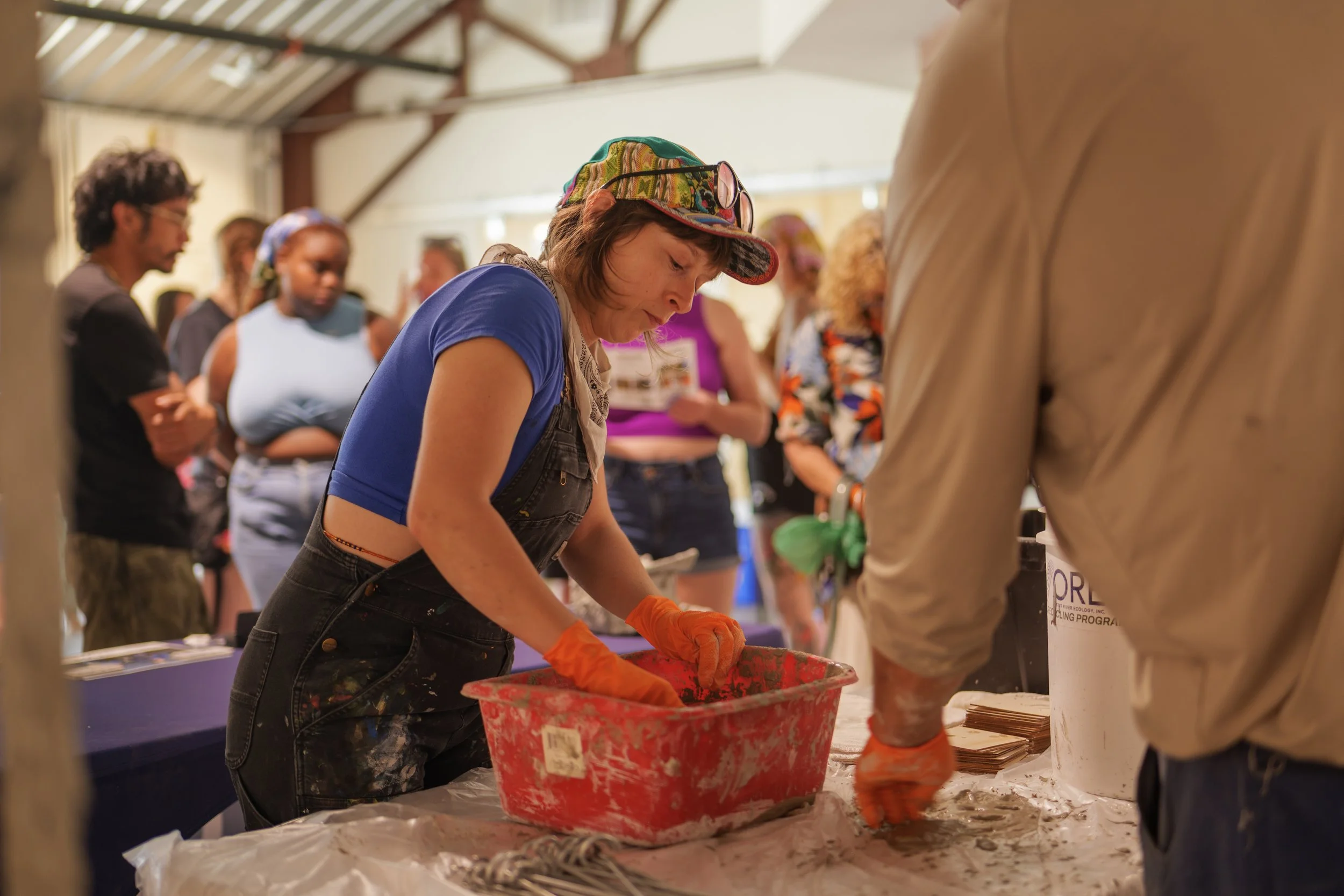
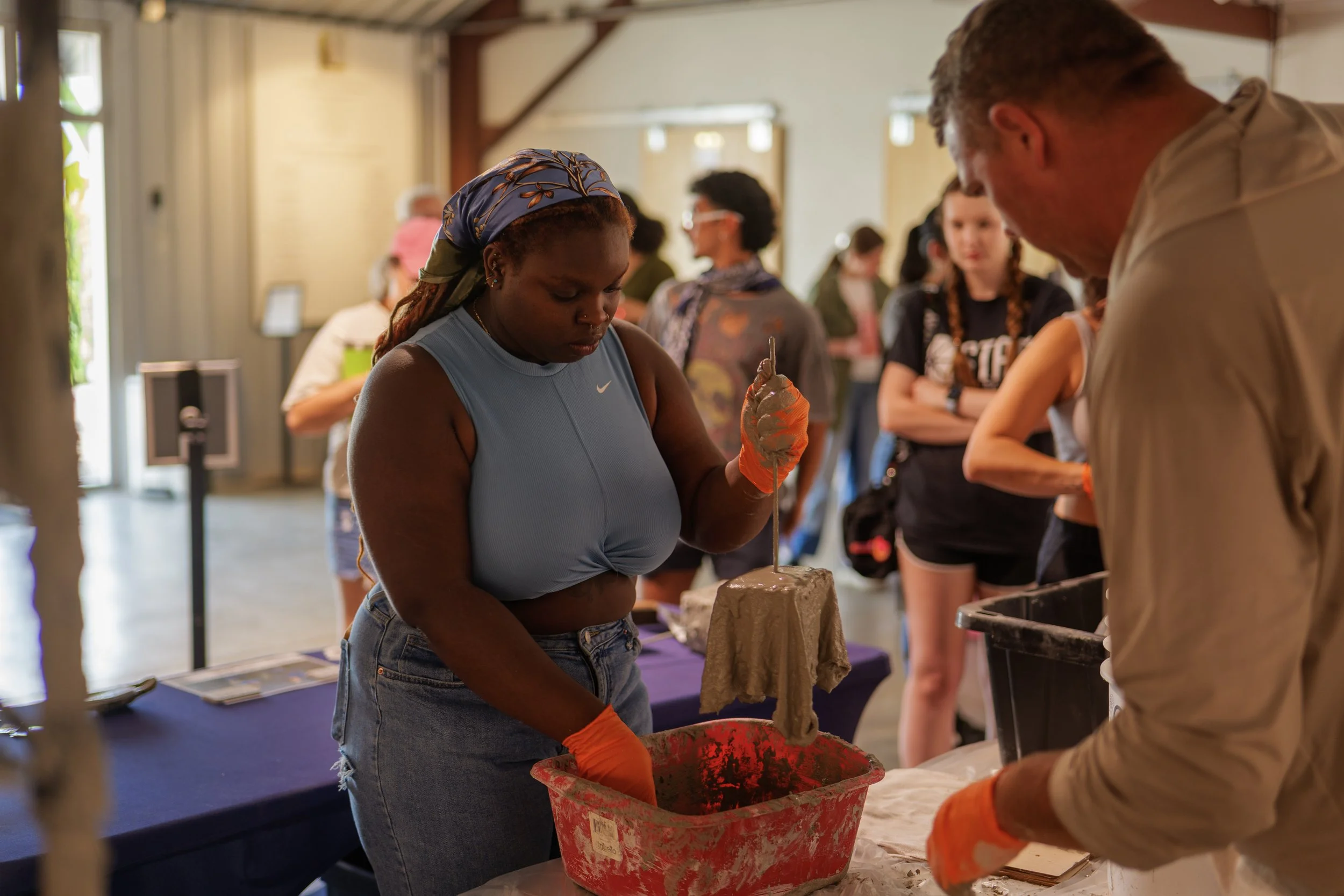
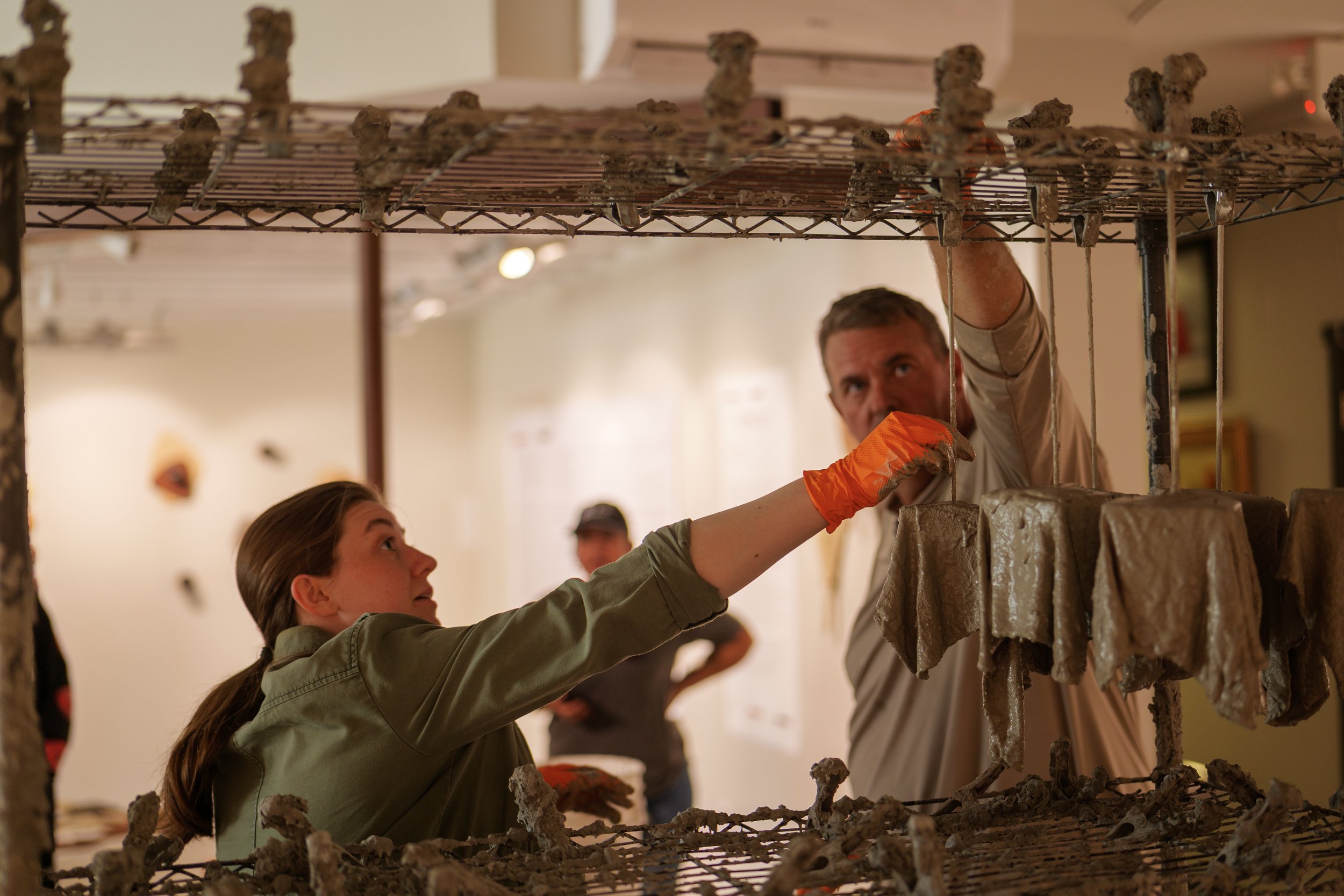
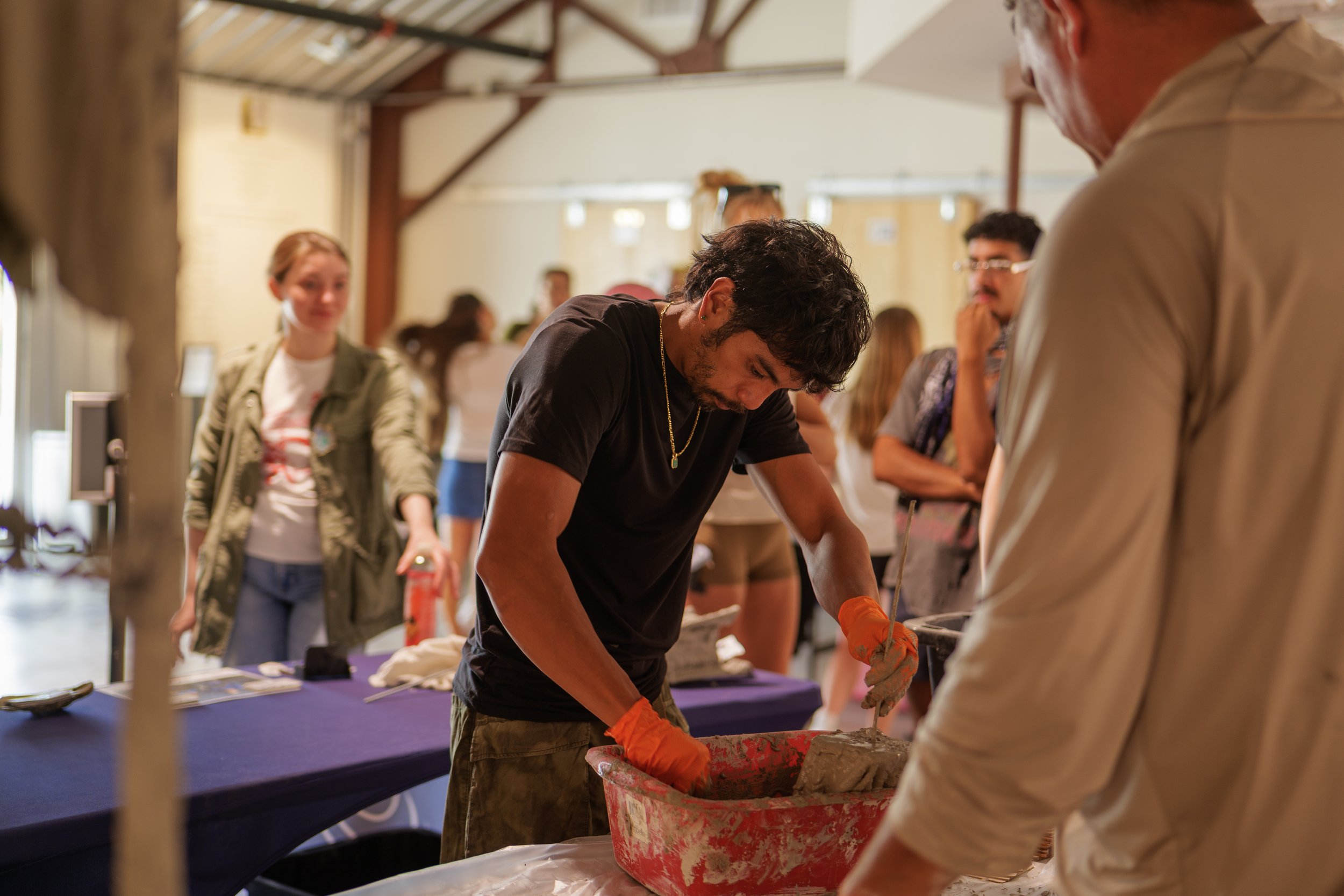
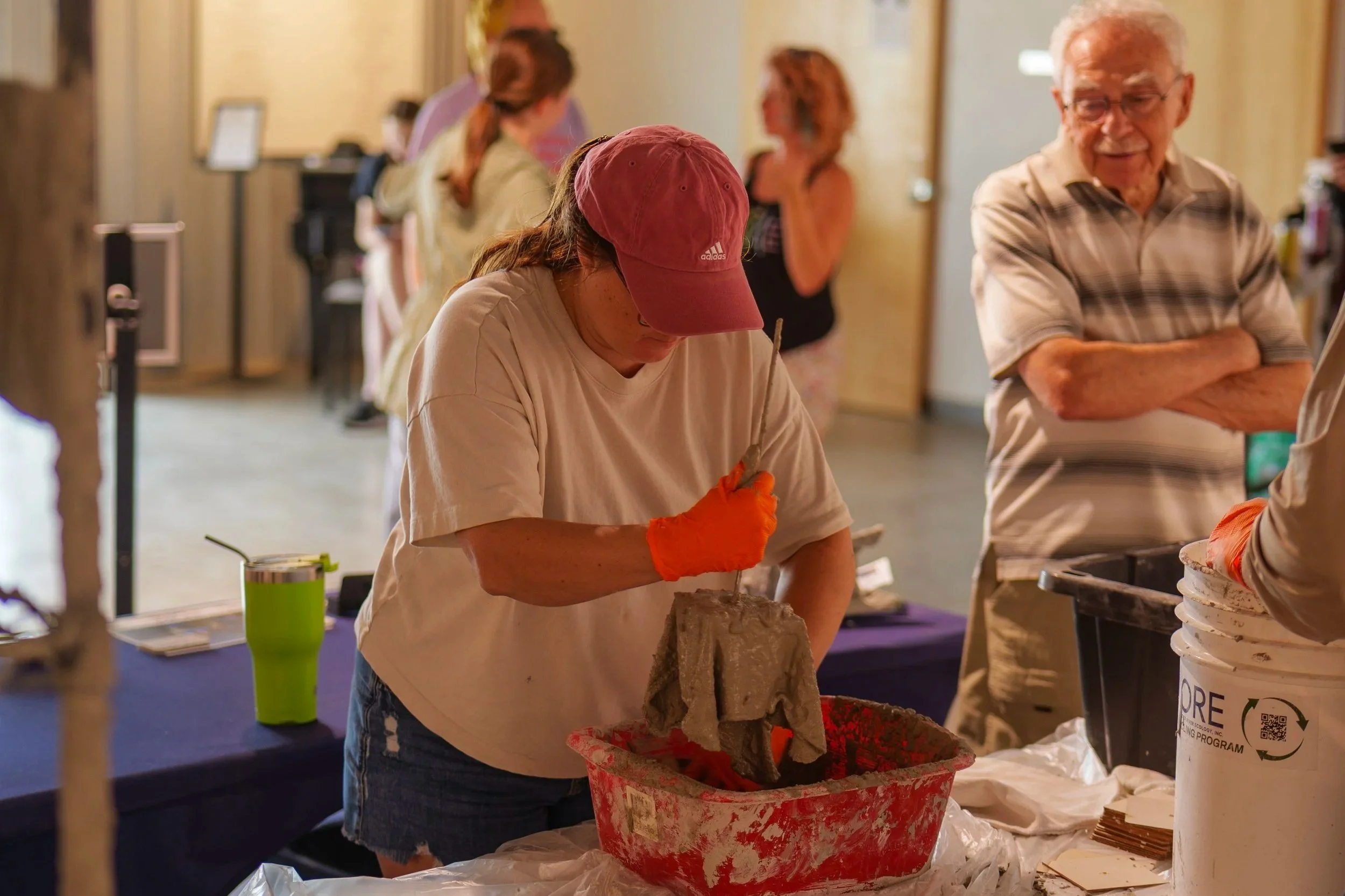
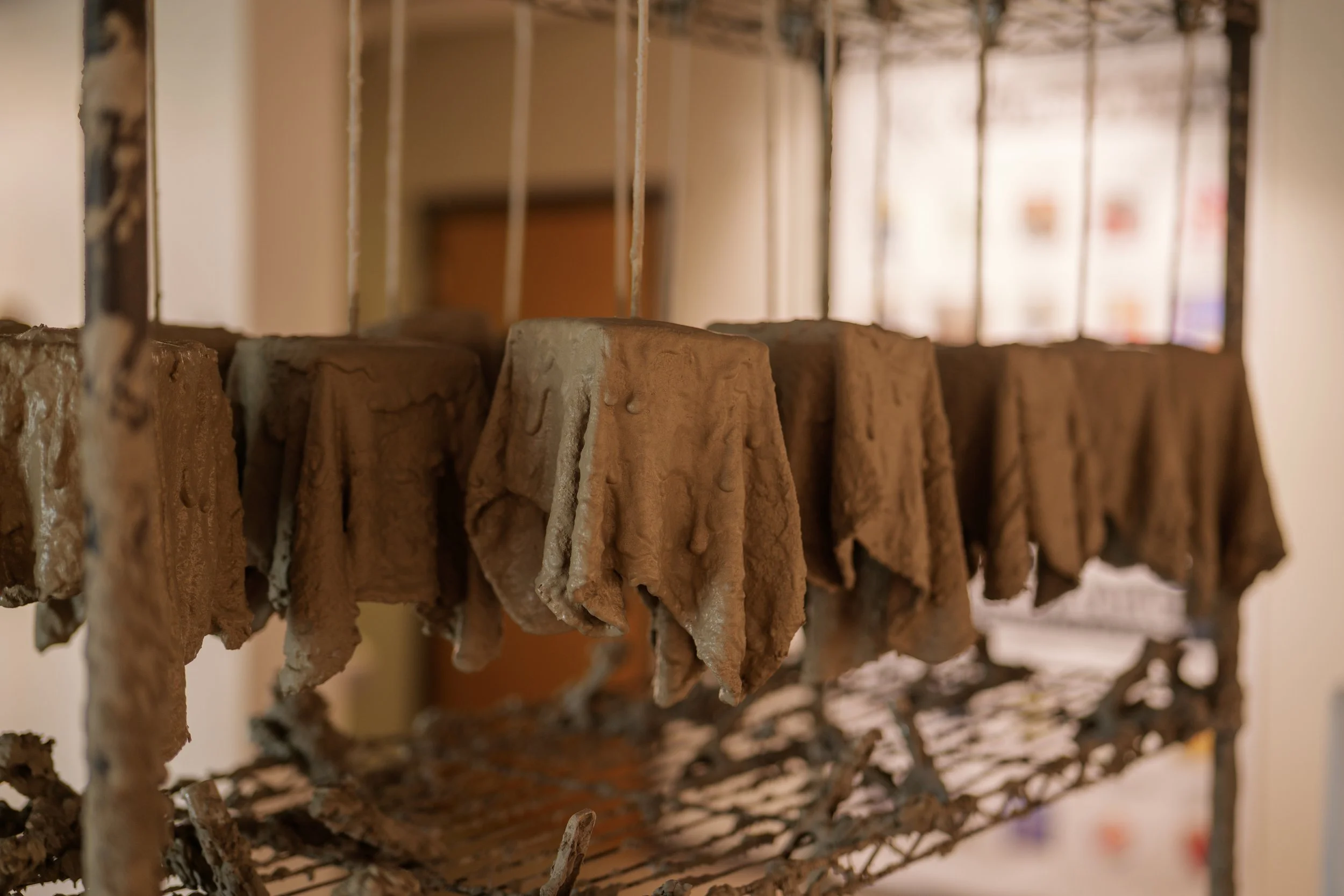
The Oyster Rag Pot (ORP) is an innovative and scalable restoration solution designed to counter the large-scale pollution events and help the population of oysters increase. Unlike traditional, heavy restoration methods like reef balls or labor-intensive shell bags, the ORP is a simple, lightweight structure created by dipping fabric rags into concrete. This design maximizes the surface area available for oyster larvae to attach and grow, providing an effective and easy-to-deploy substrate. The Eastern Oyster is a key species known as an "ecosystem engineer" that provides multiple services, including filtering up to 50 gallons of water per day and creating complex three-dimensional reefs that provide habitat for over 300 different marine organisms.
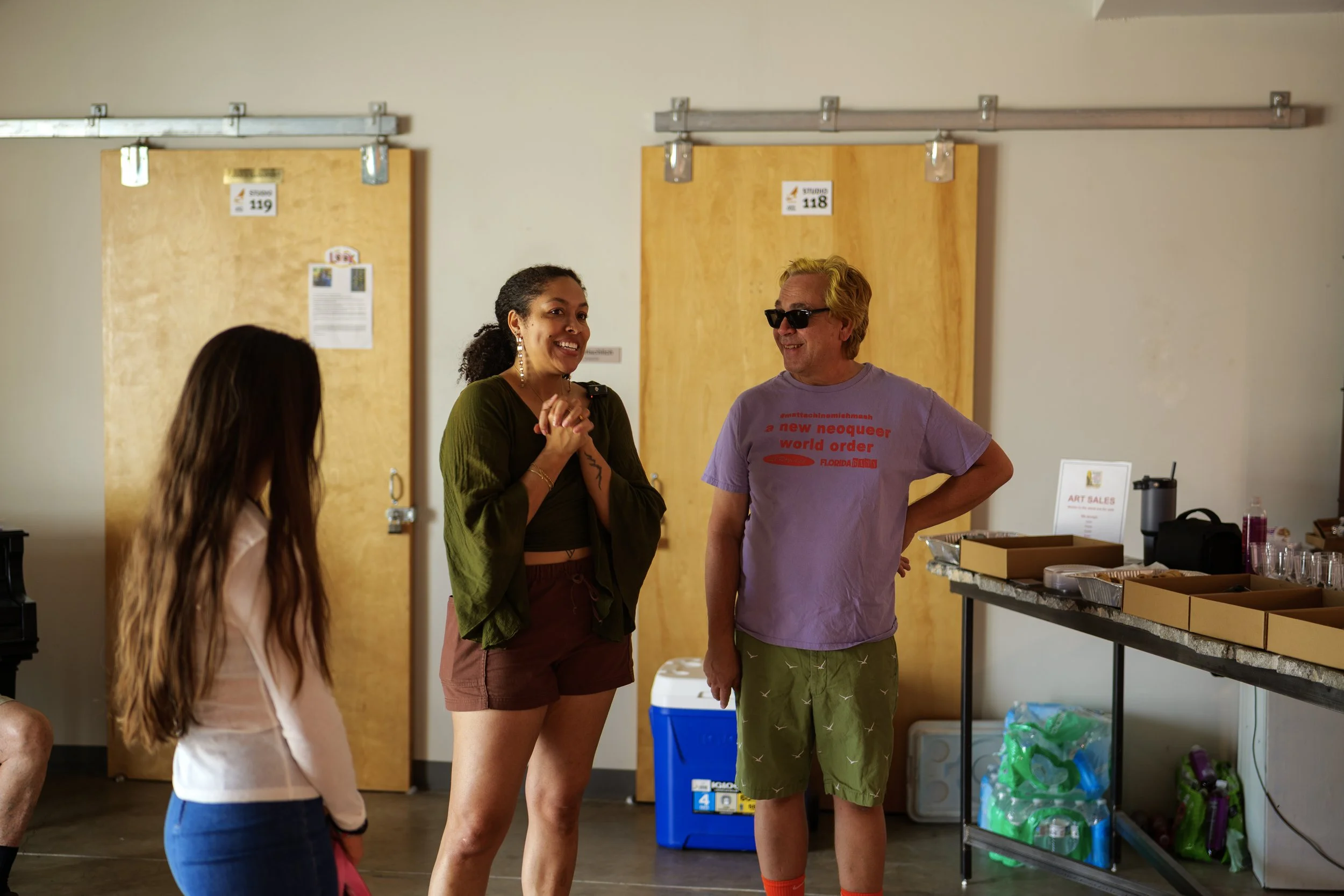
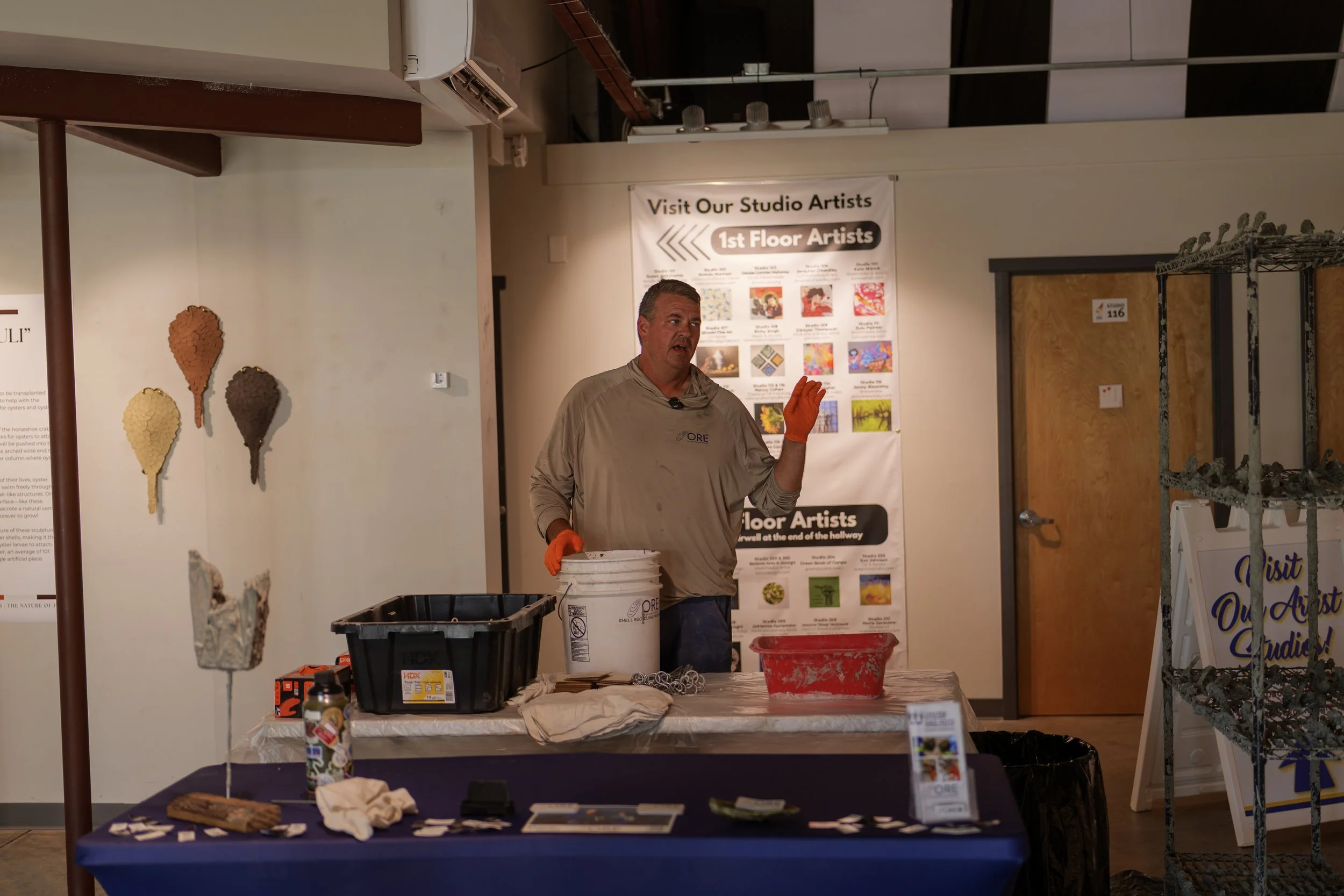
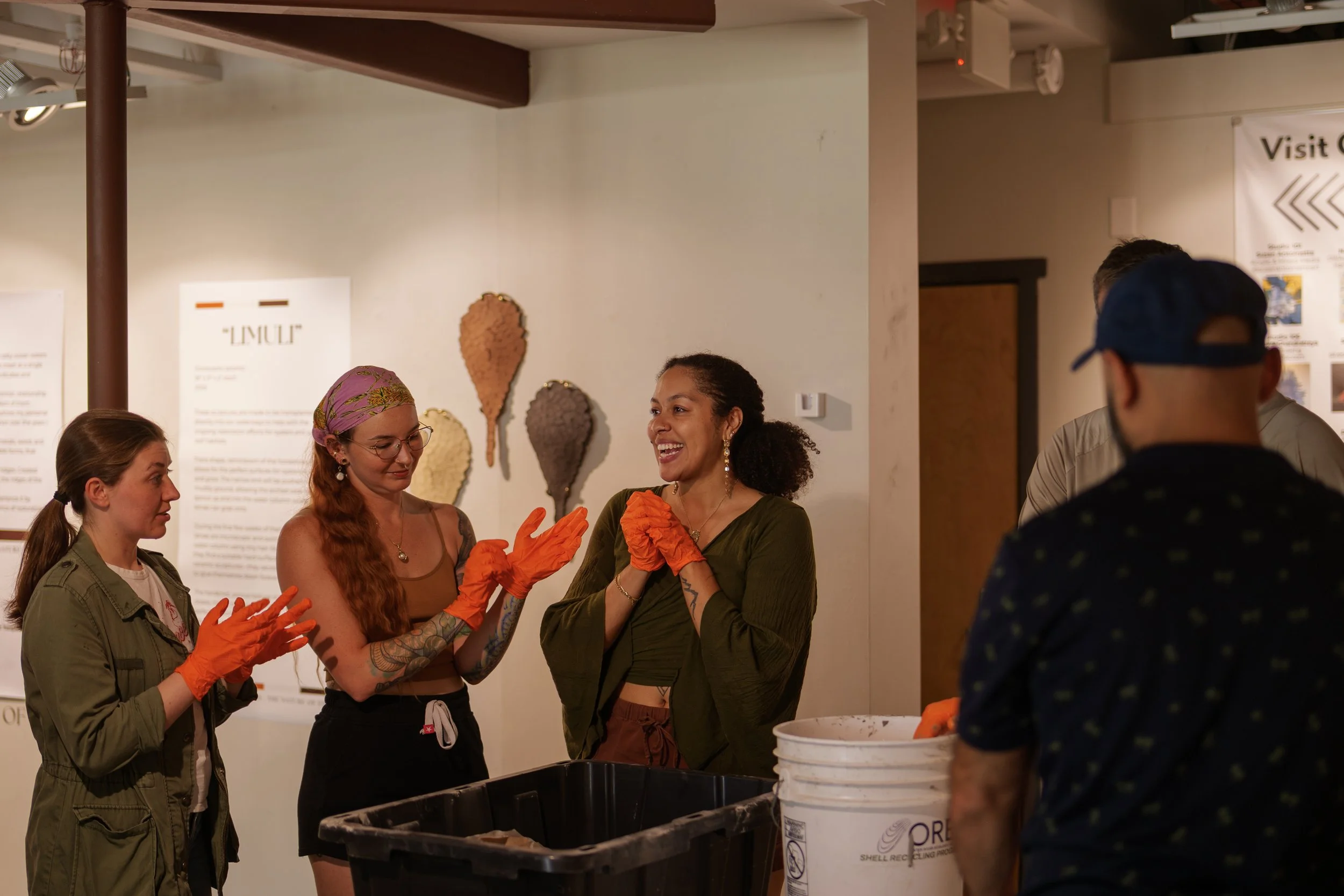
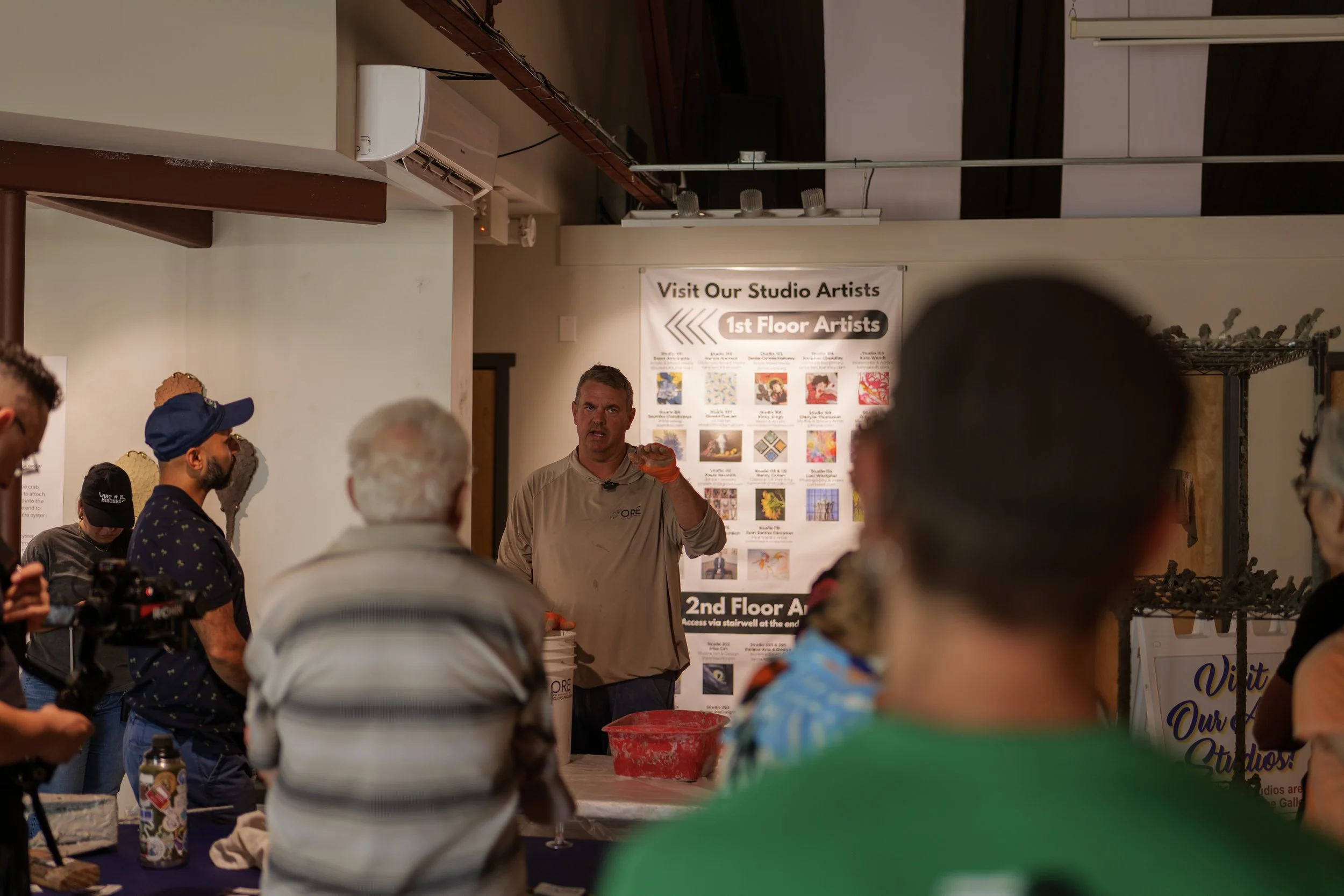
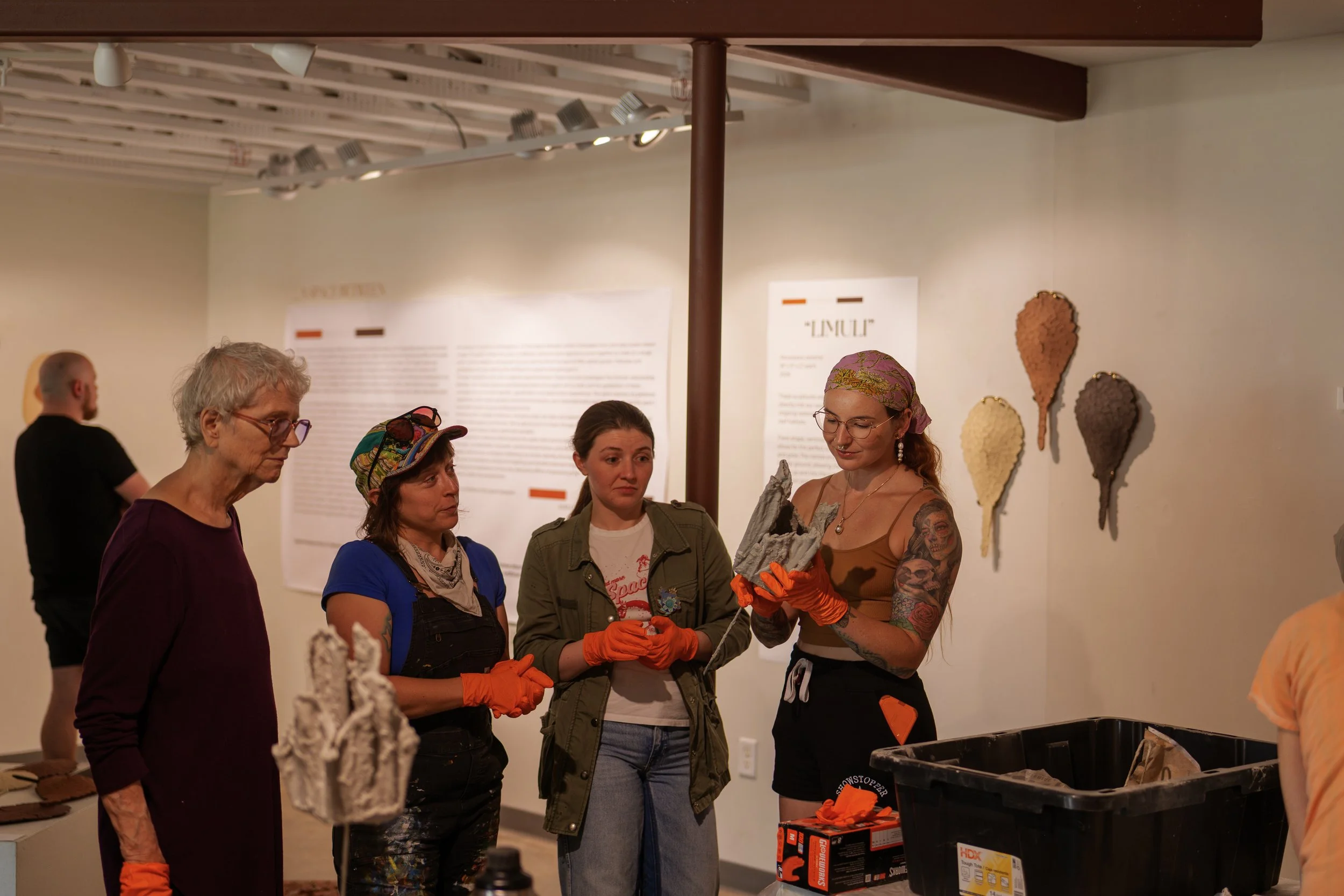
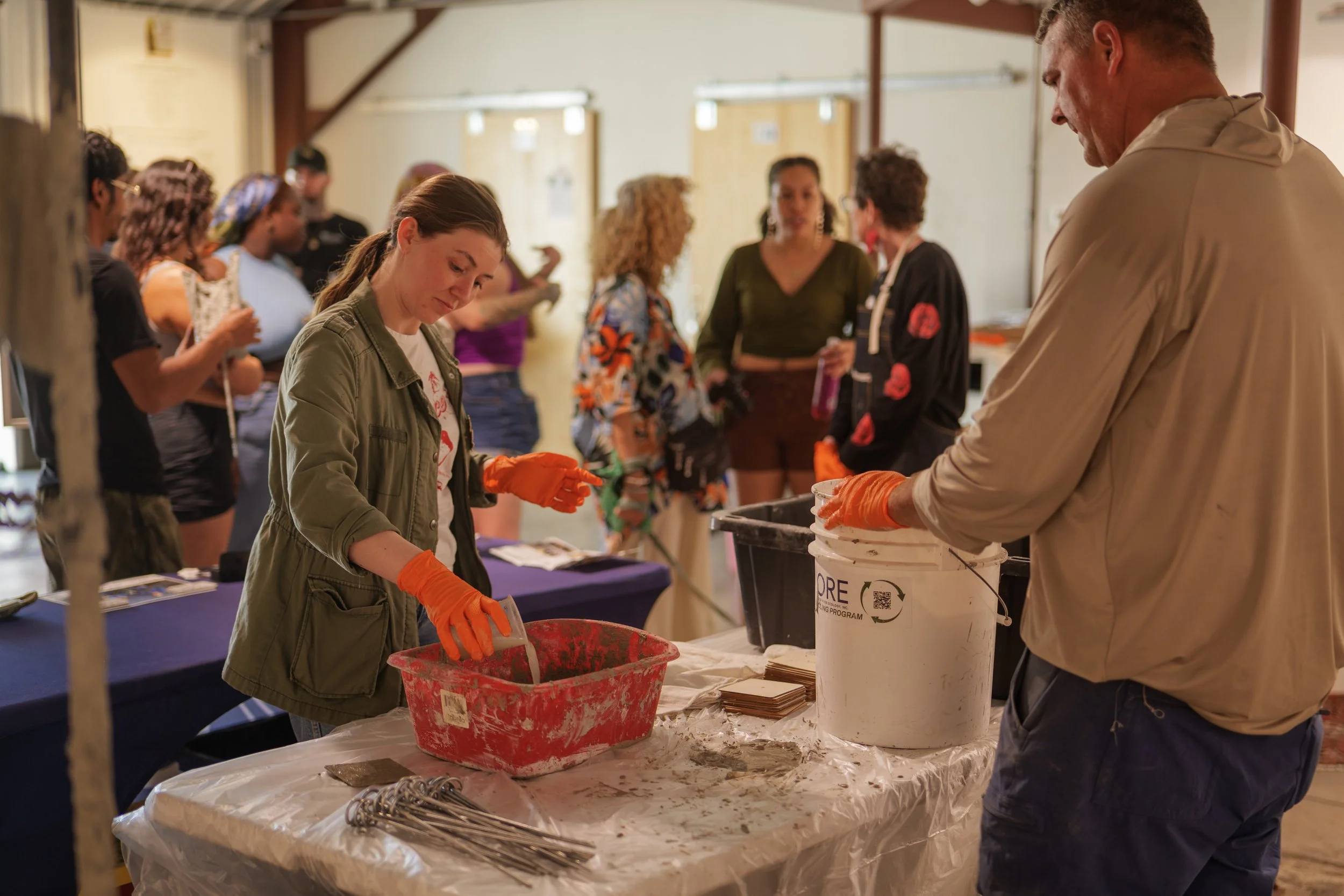
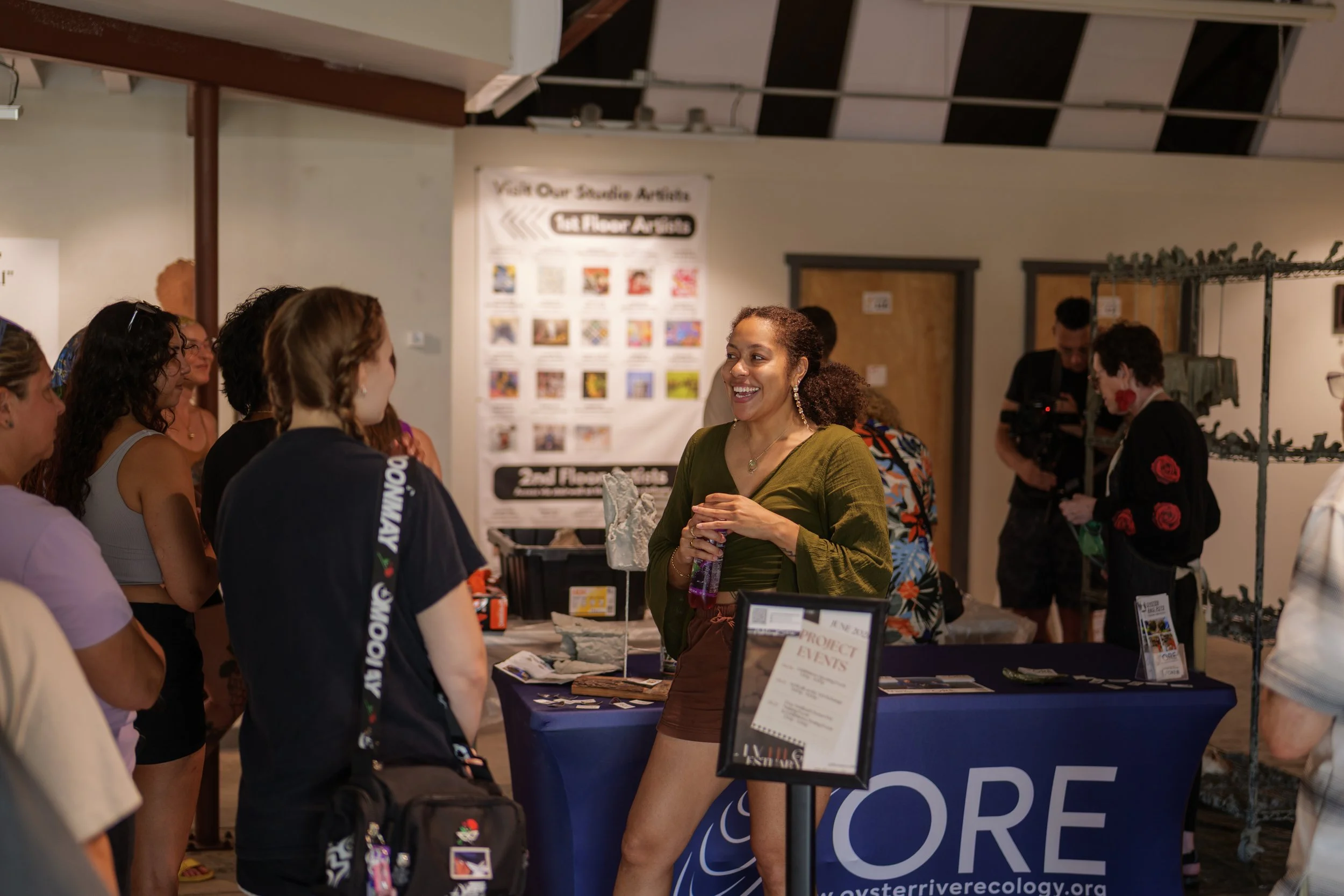
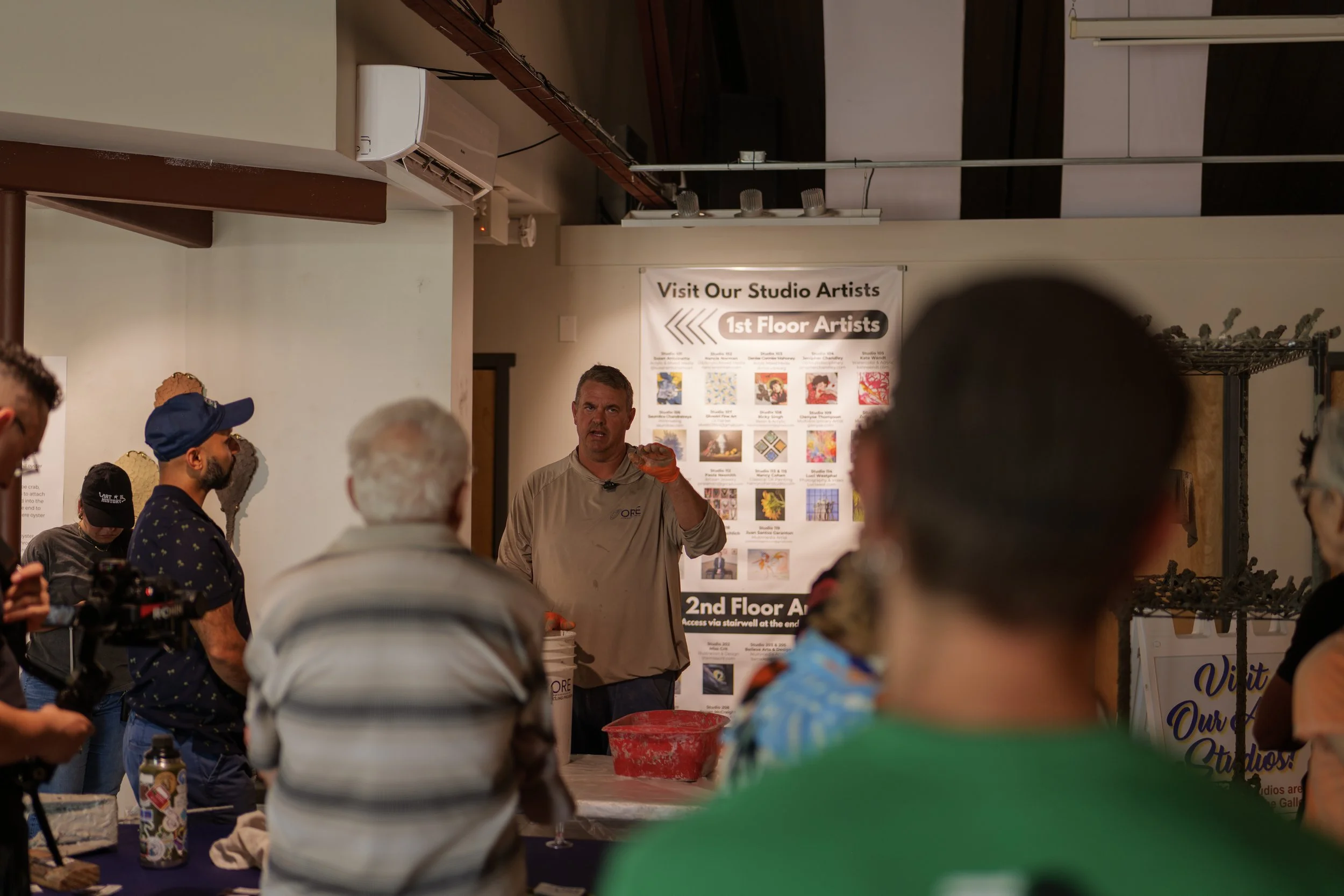
By connecting with non-profit: Oyster River Ecology, to facilitate the ORP Community Creation events to go along with the Exhibition, volunteers in our community can to come together to create artificial ORP's to assist with Oyster Reef restoration efforts. Community members will be directly involved in the conservation of our environments through an active "crafting" project!
Exhibition Concept
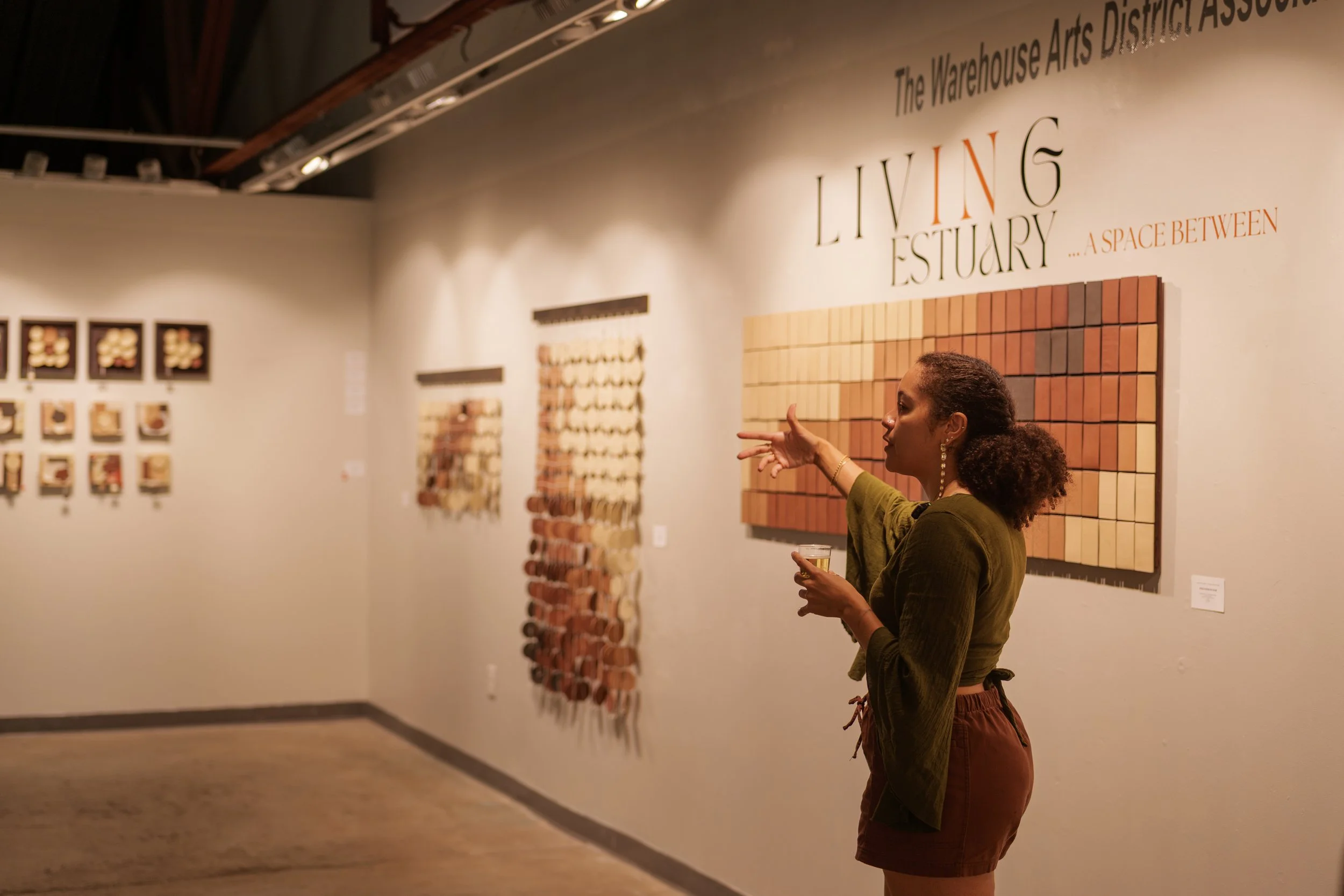
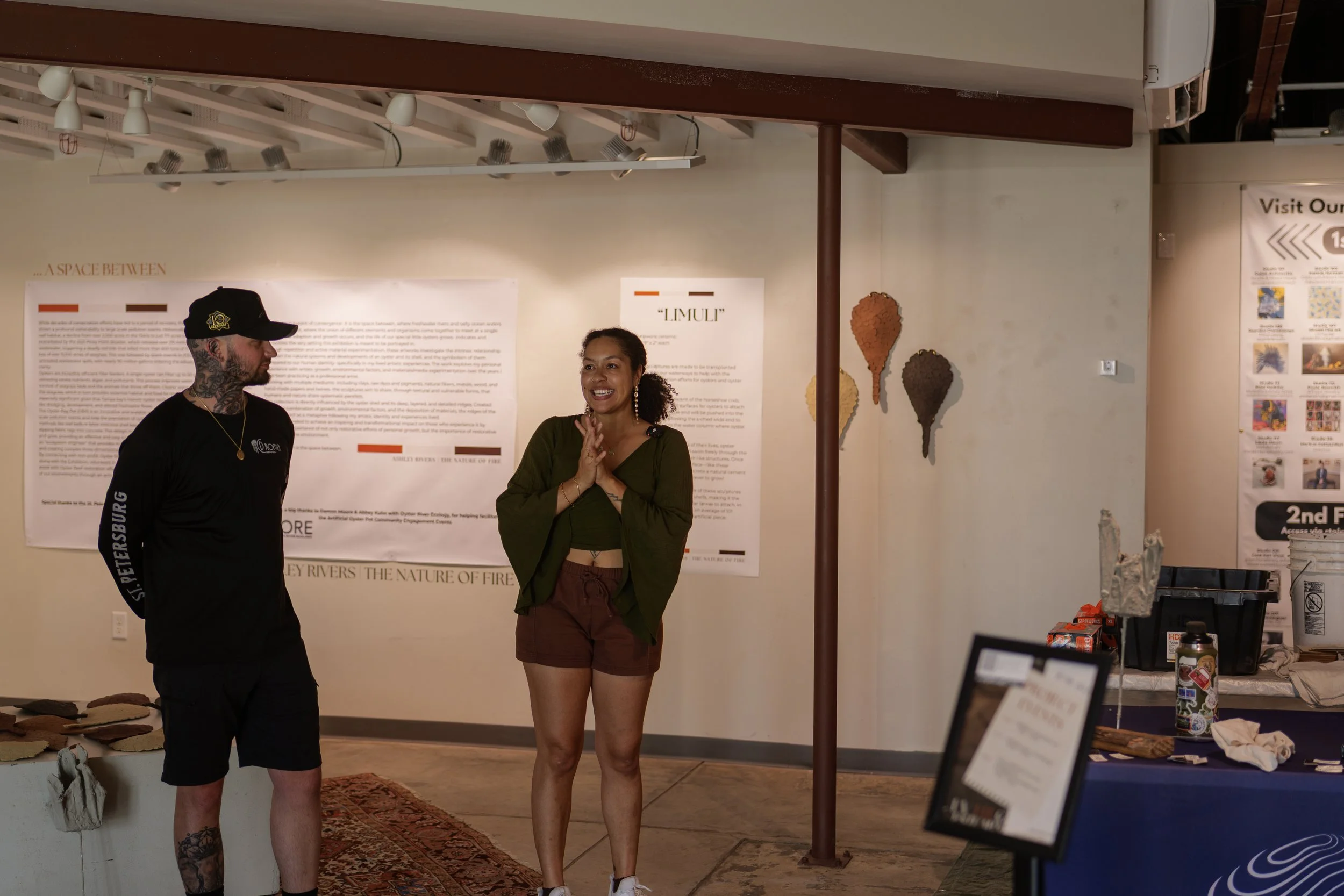
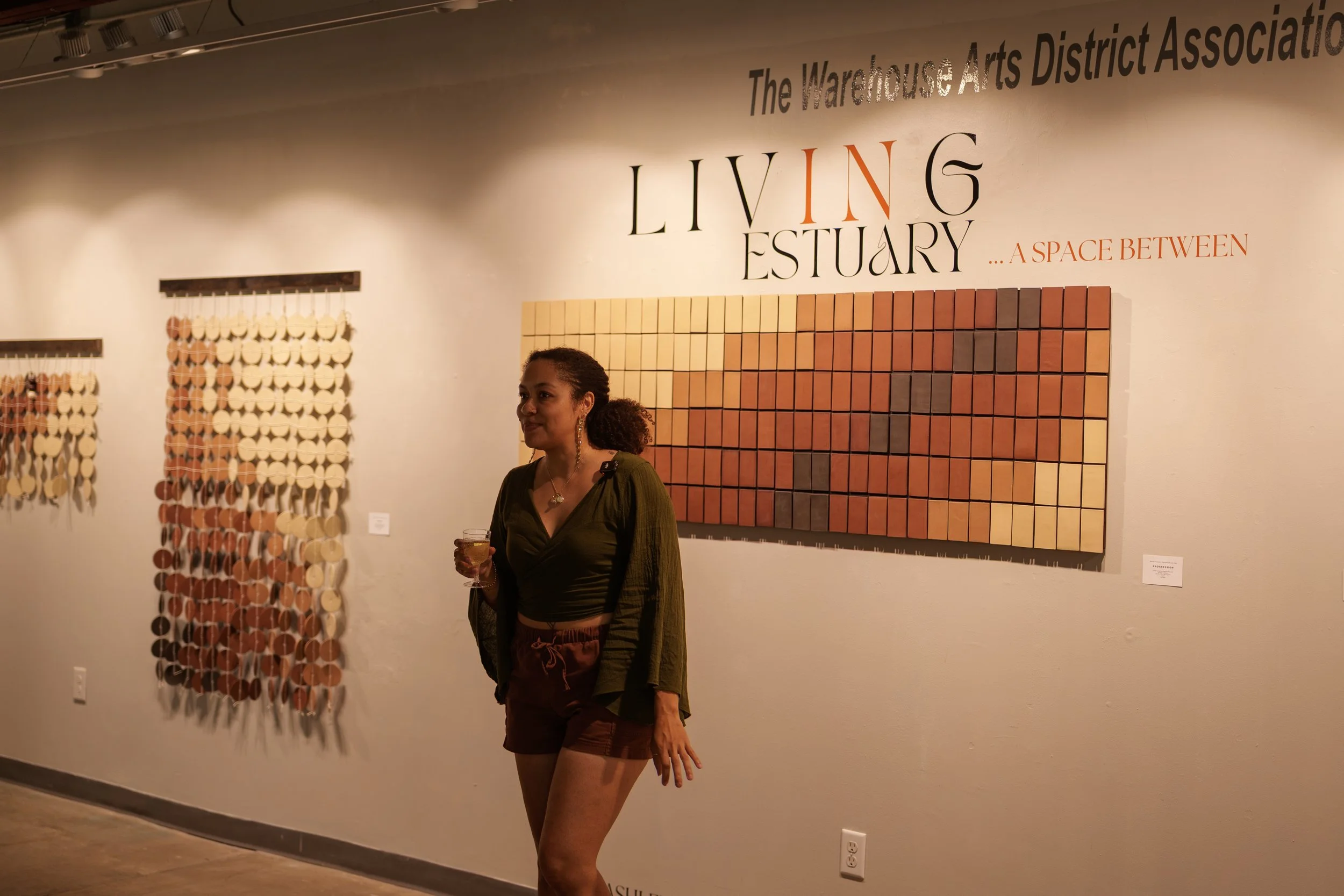
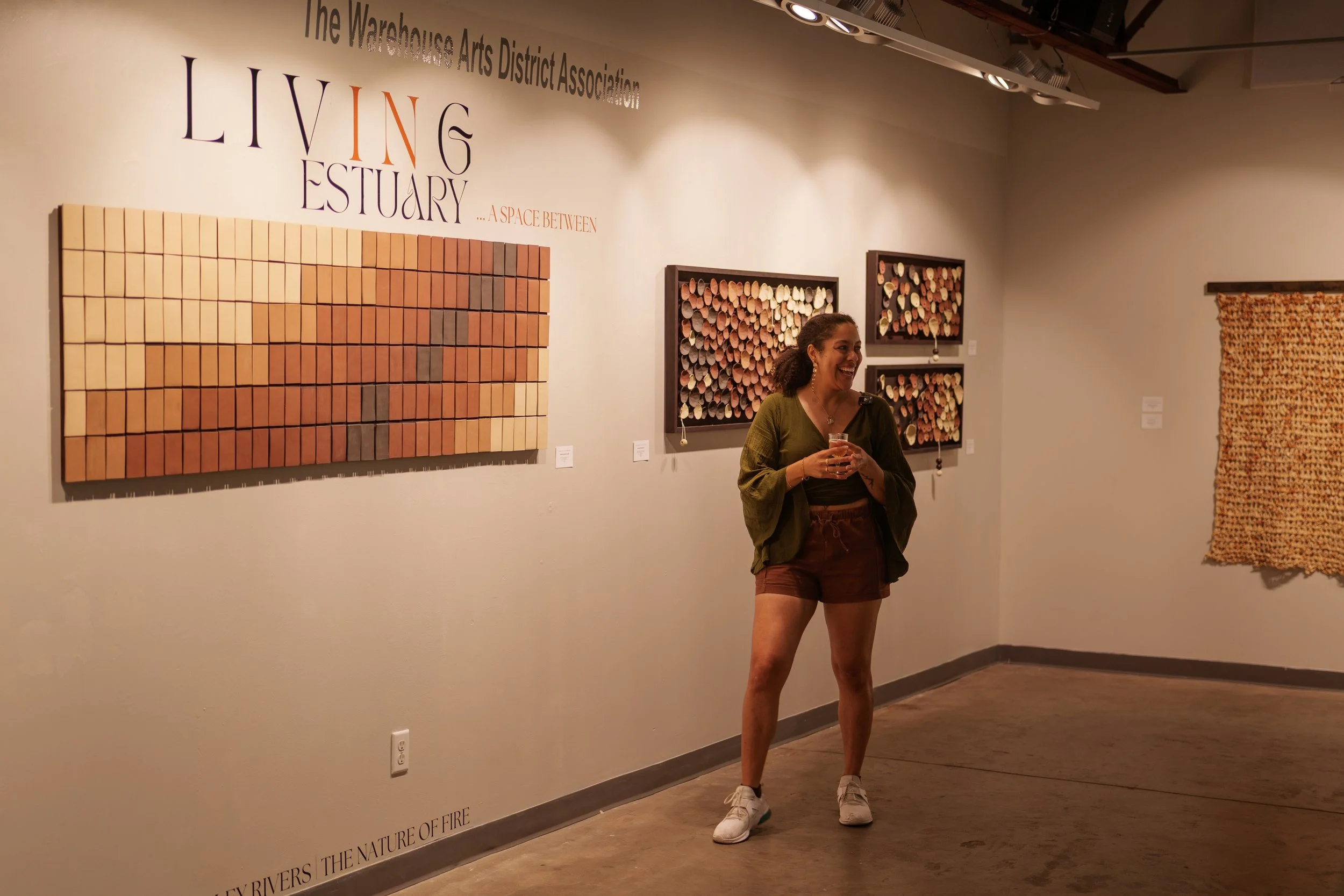
An estuary is a point of convergence- it is the space between, where freshwater rivers and salty ocean waters merge. This point, where the union of different elements and organisms come together to meet at a single point- where adaption and growth occurs, and the life of our special little oysters grows- indicates and symbolizes the very setting this exhibition is meant to be portrayed in.
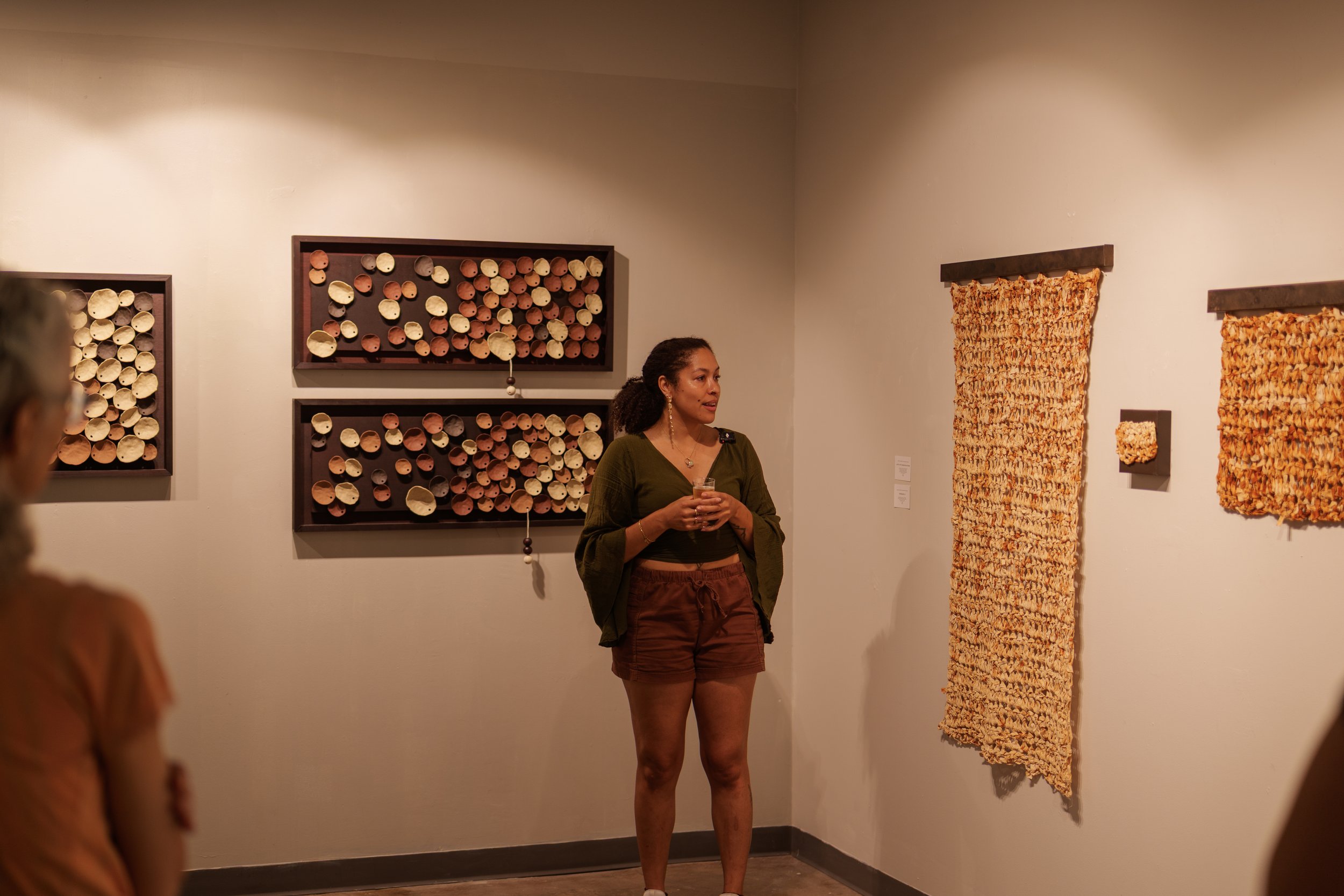
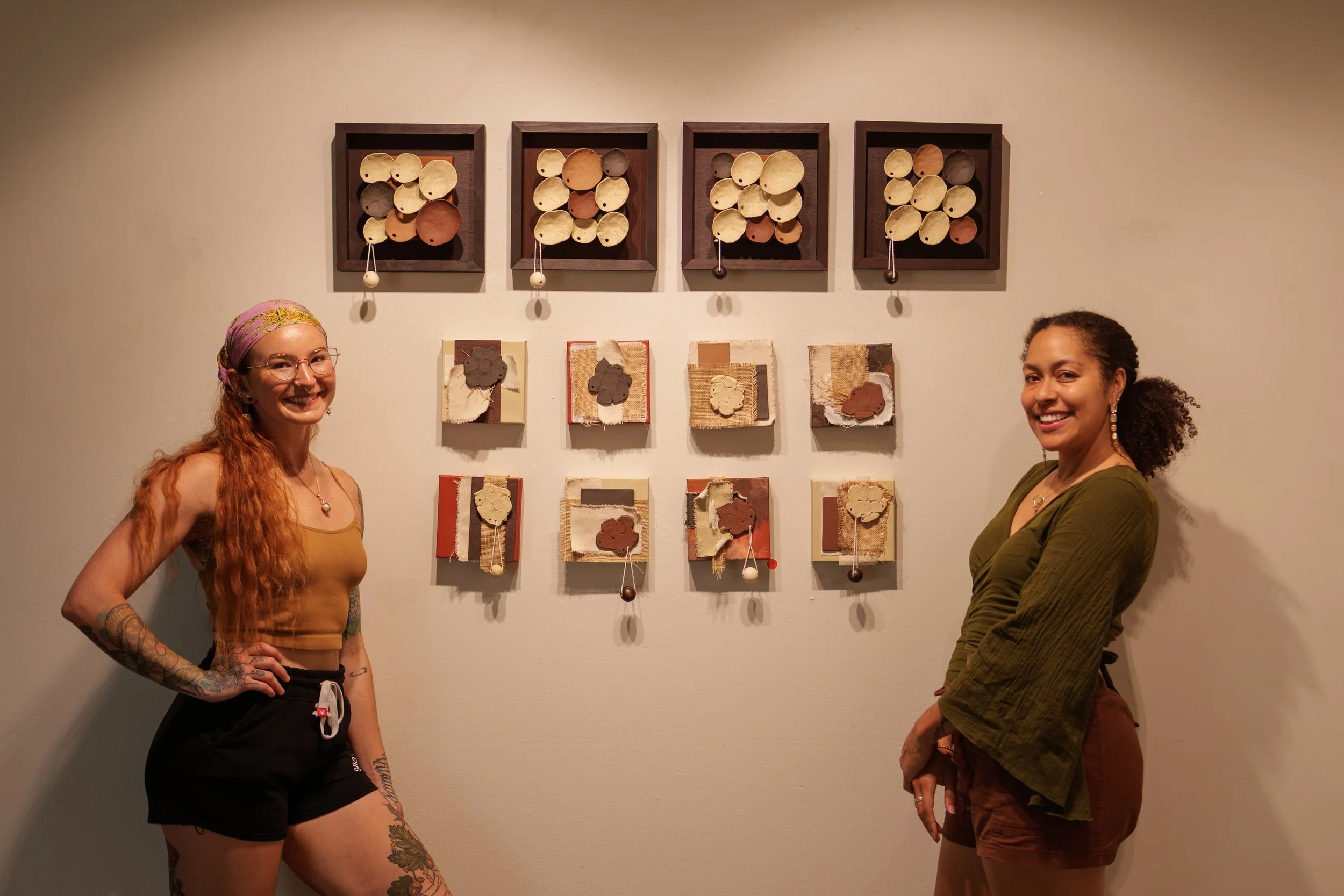
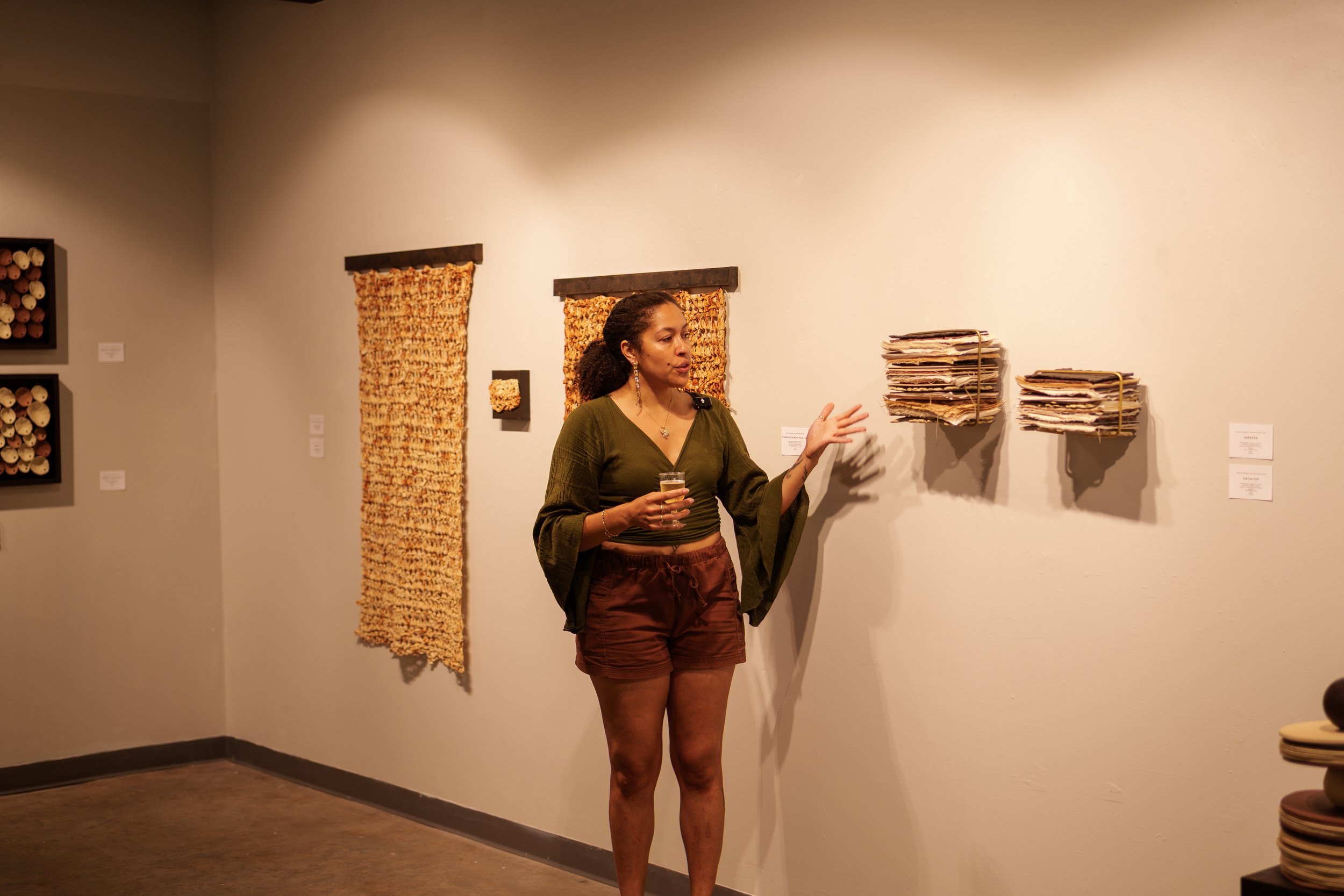
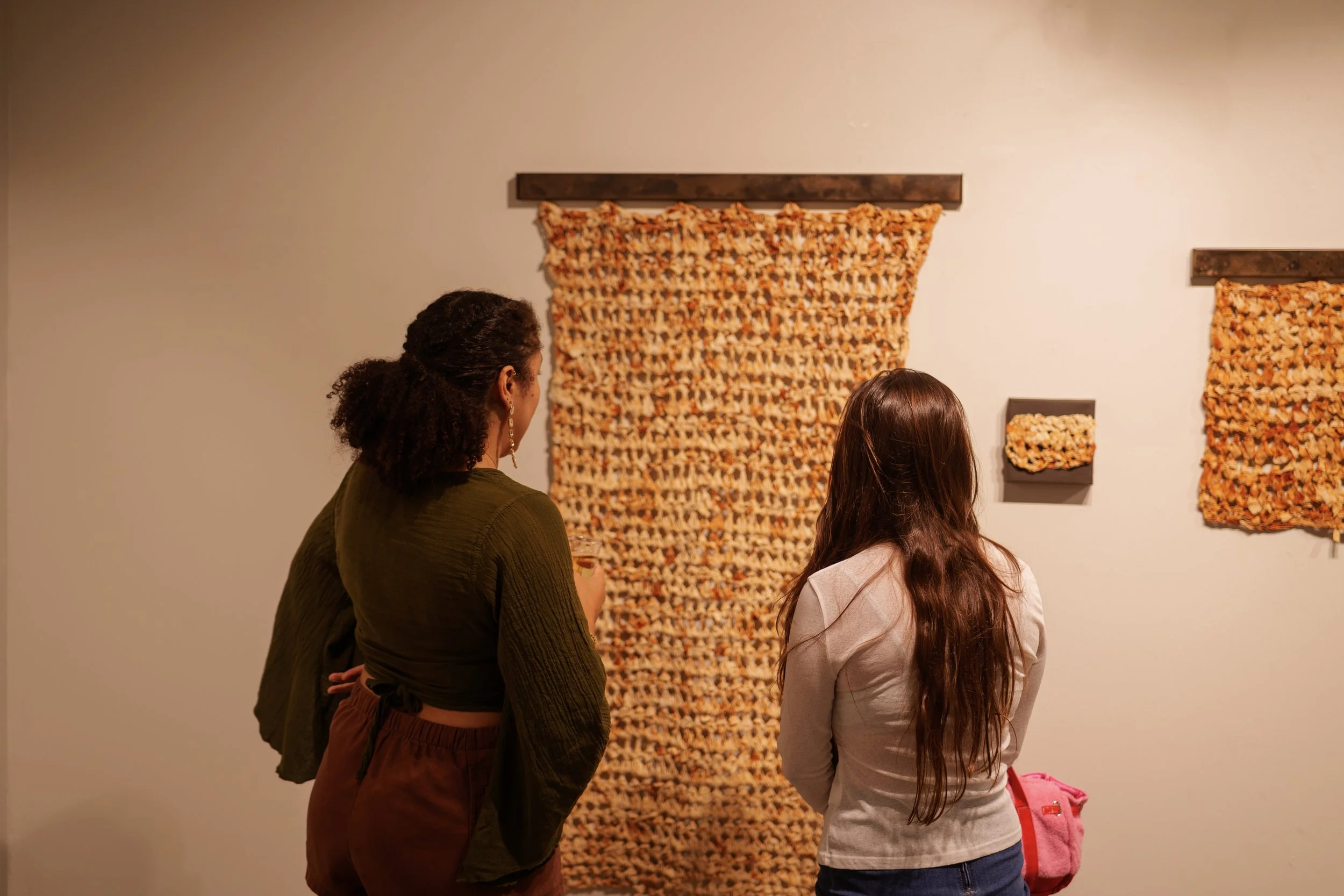
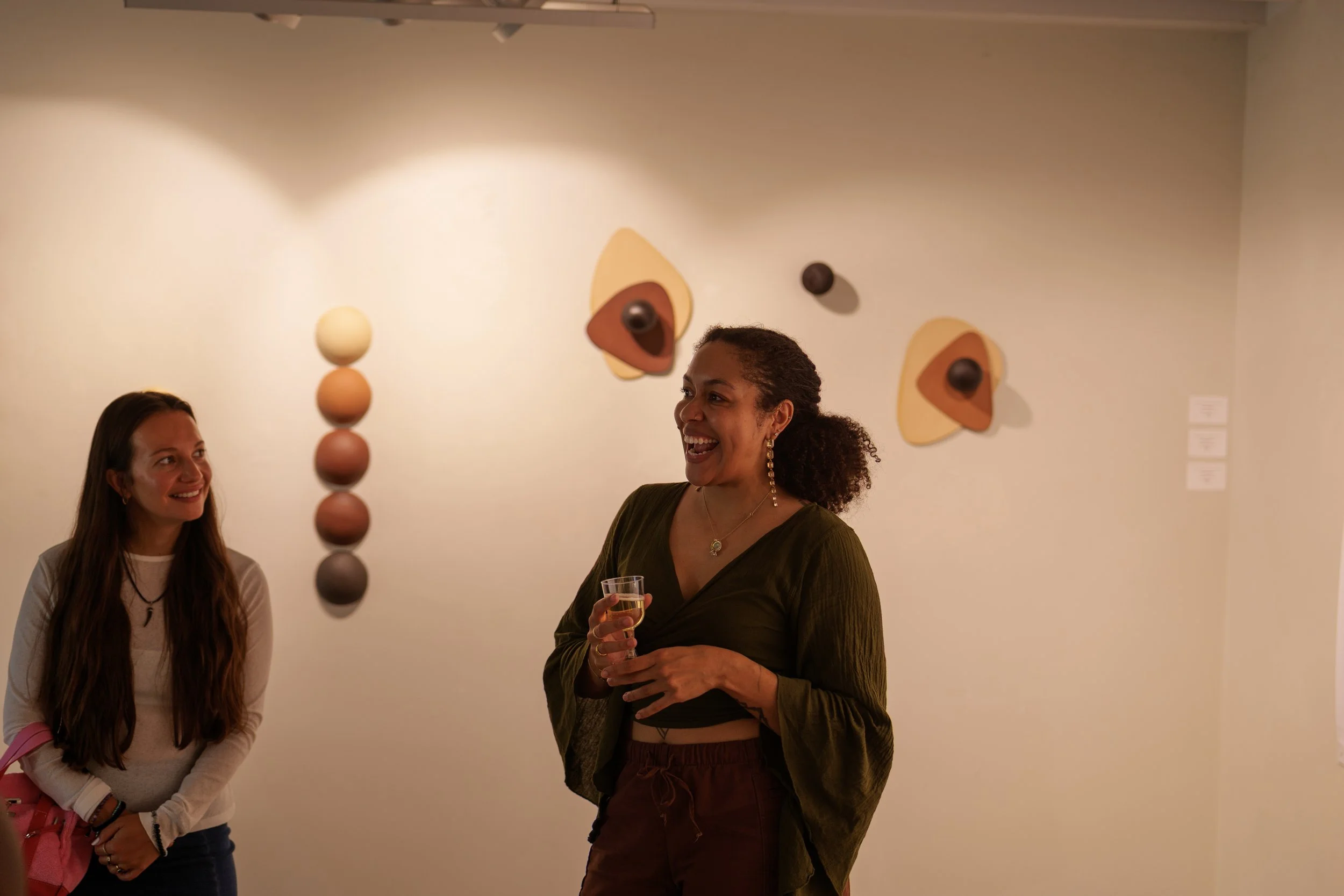
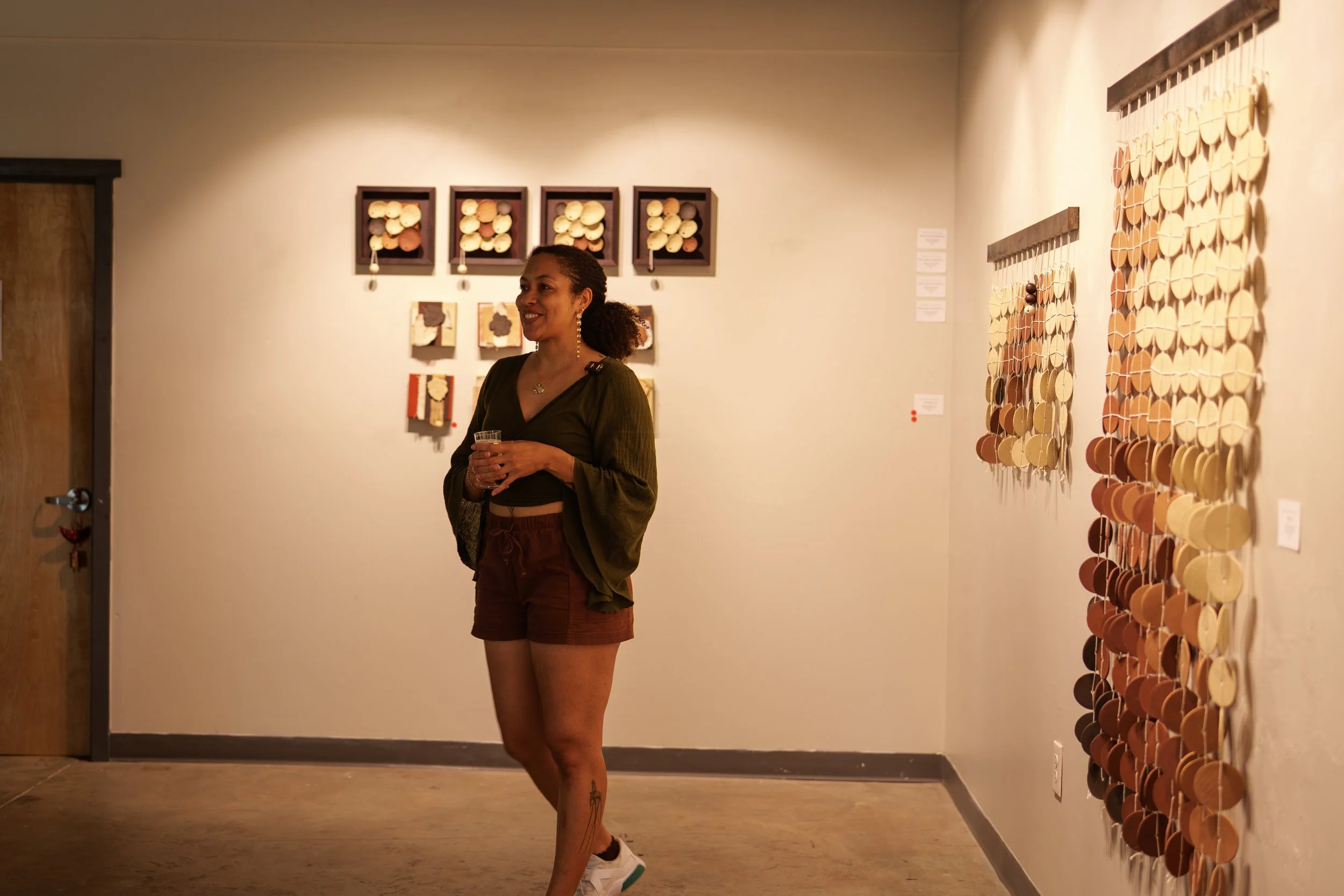
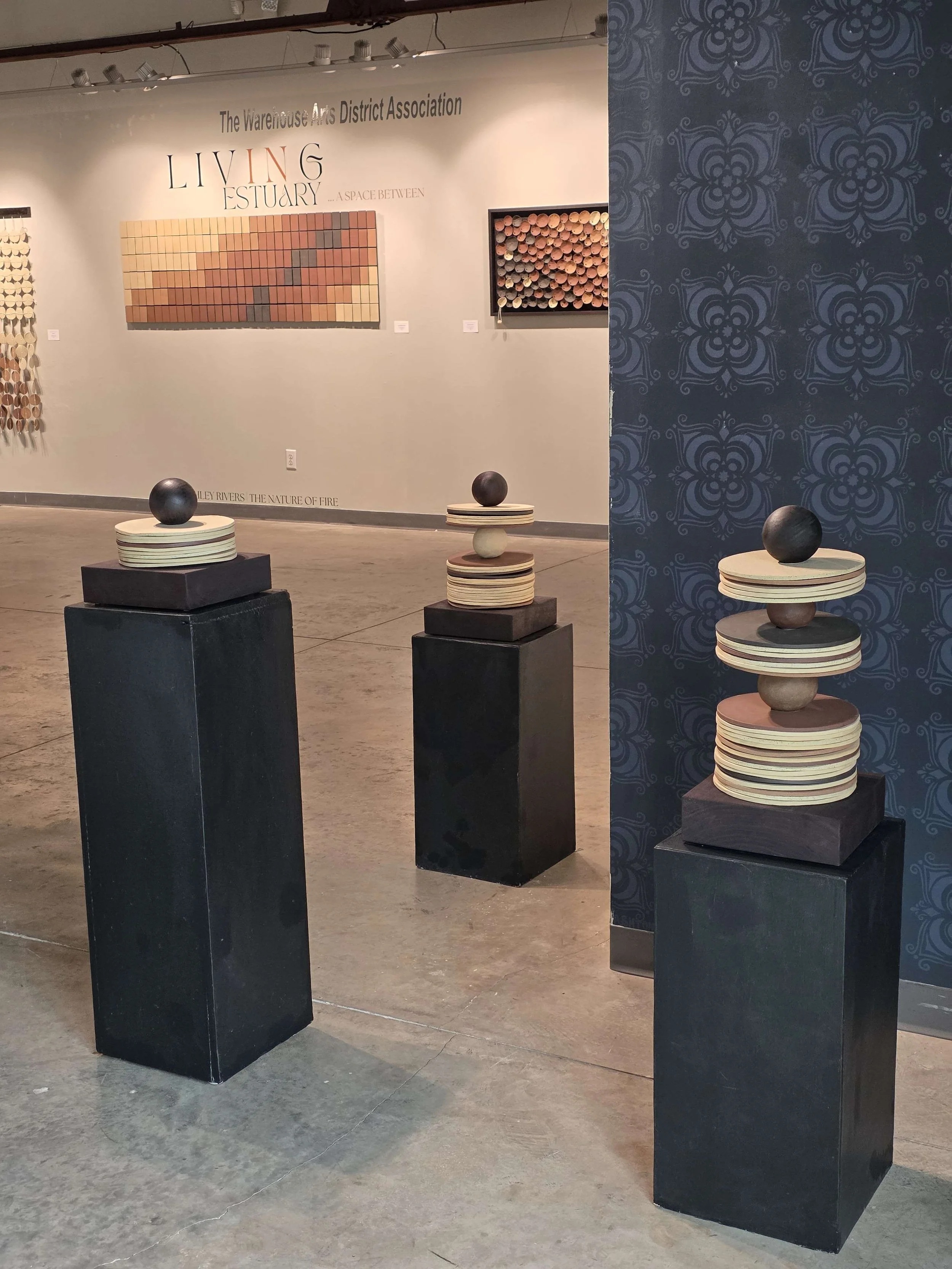
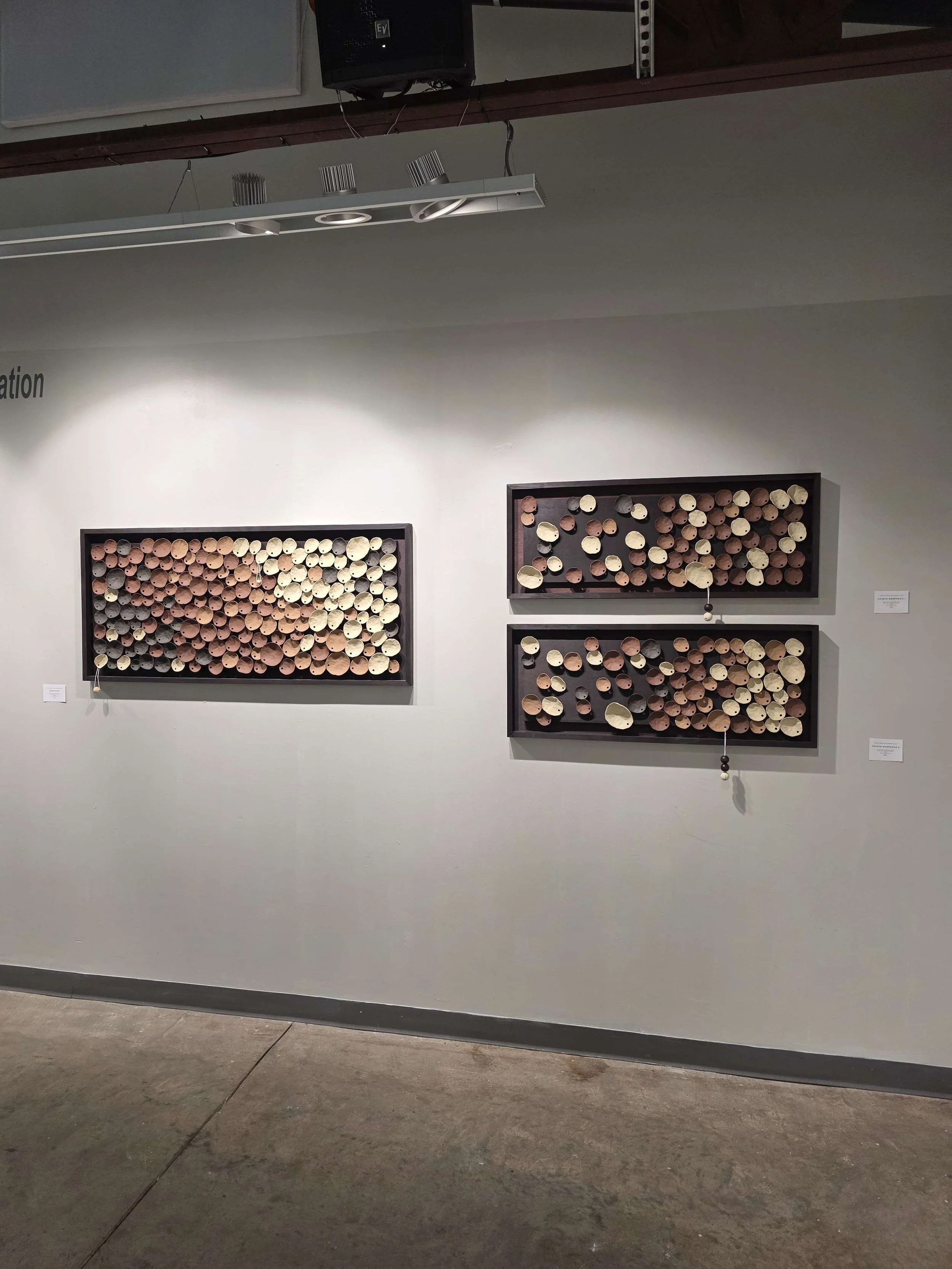
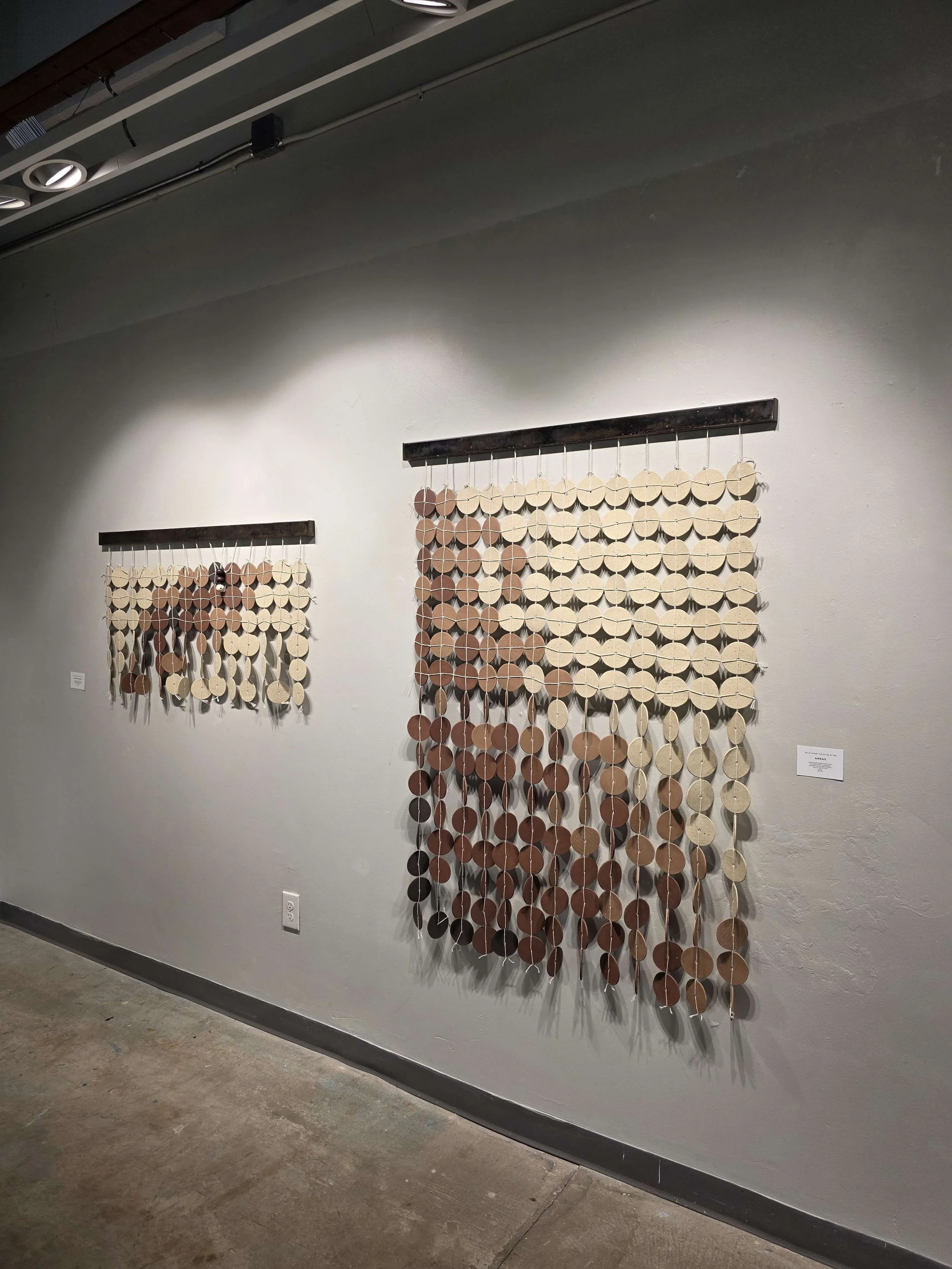
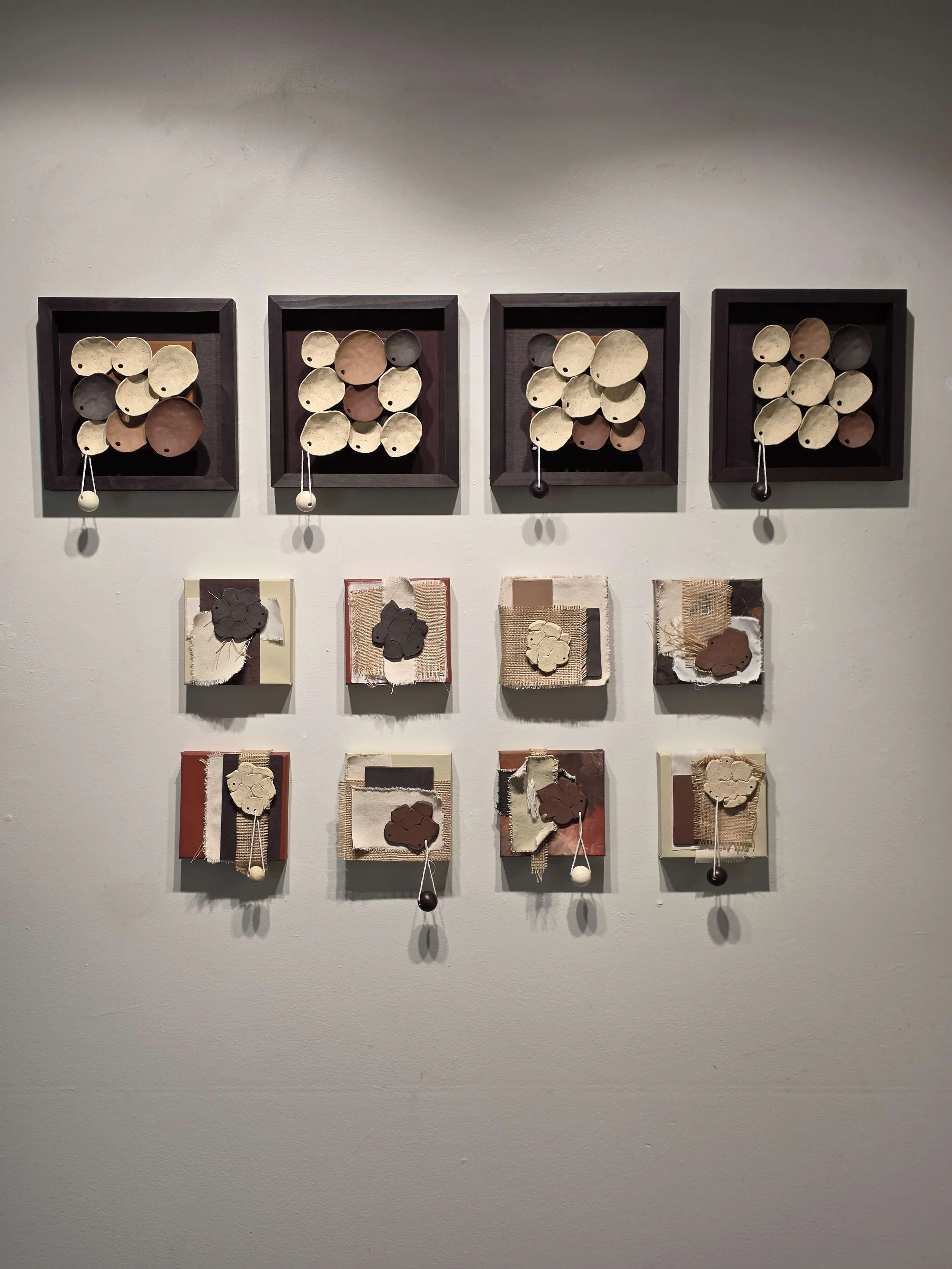
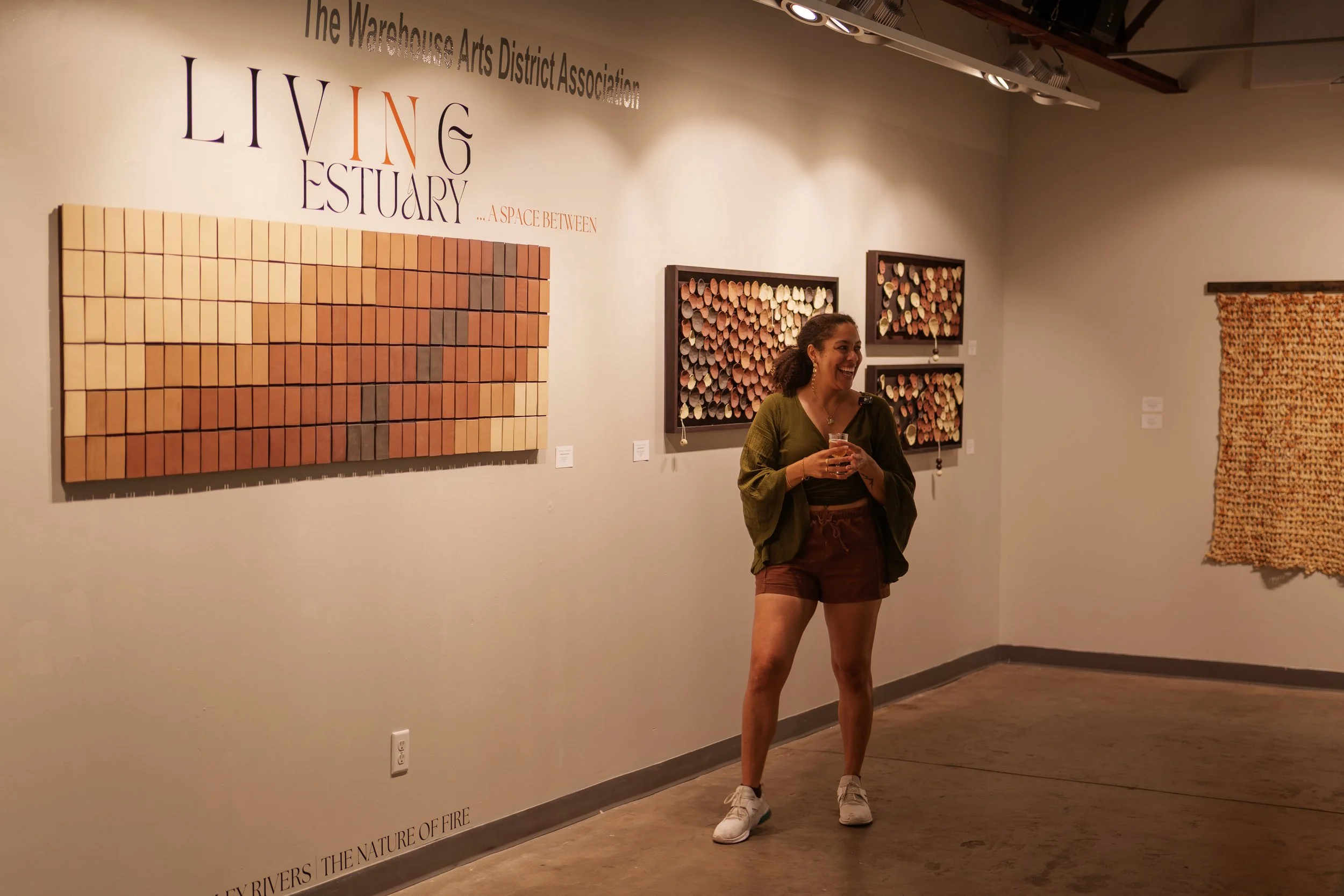
Through repetition and active material experimentation, these artworks investigate the intrinsic relationship between the natural systems and developments of an oyster and its shell, and the symbolism of them compared to our human identity- specifically to my lived artistic experiences. The work explores my personal experience with artistic growth, environmental factors, and materials/media experimentation over the years I have been practicing as a professional artist.
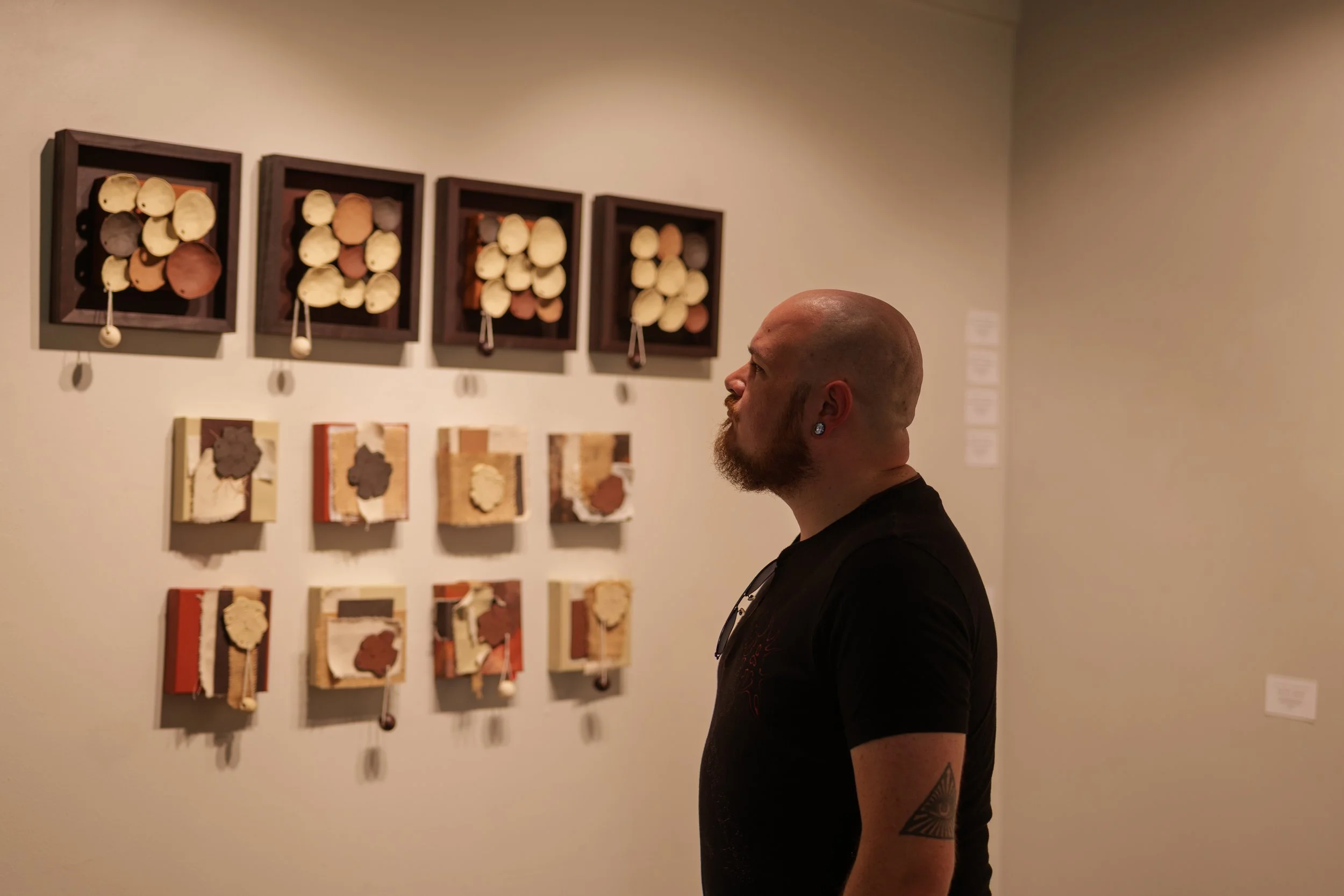
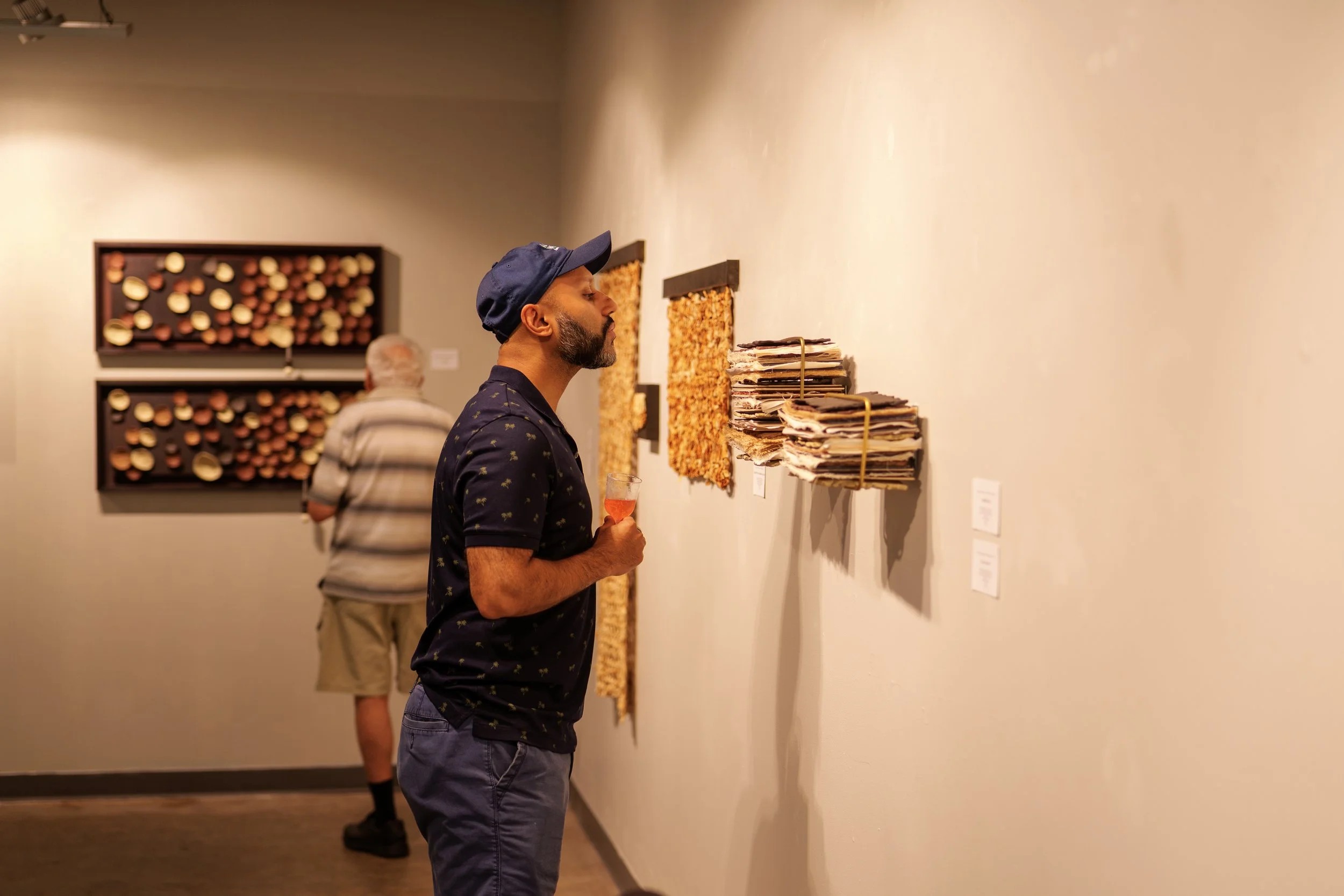
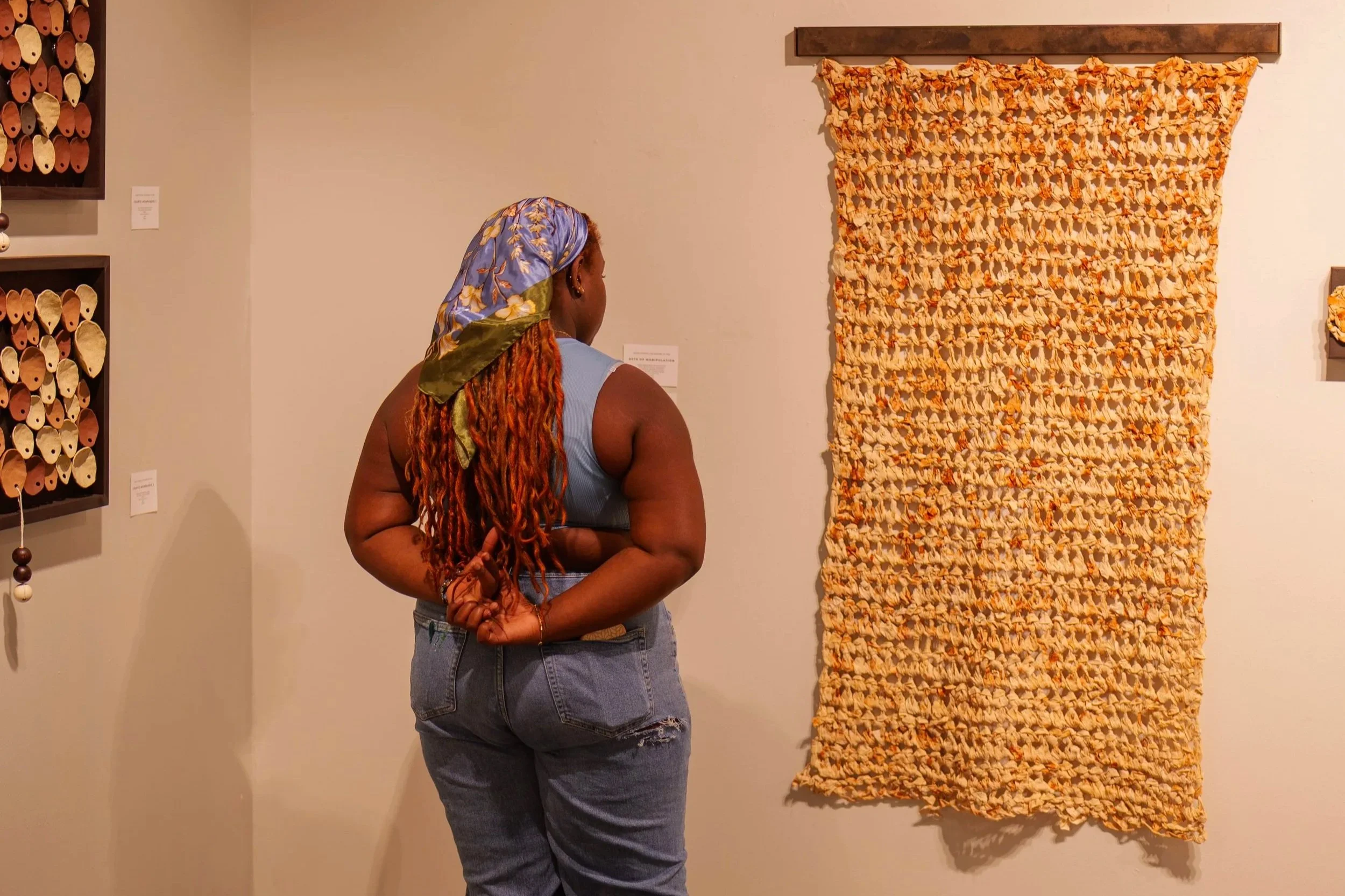
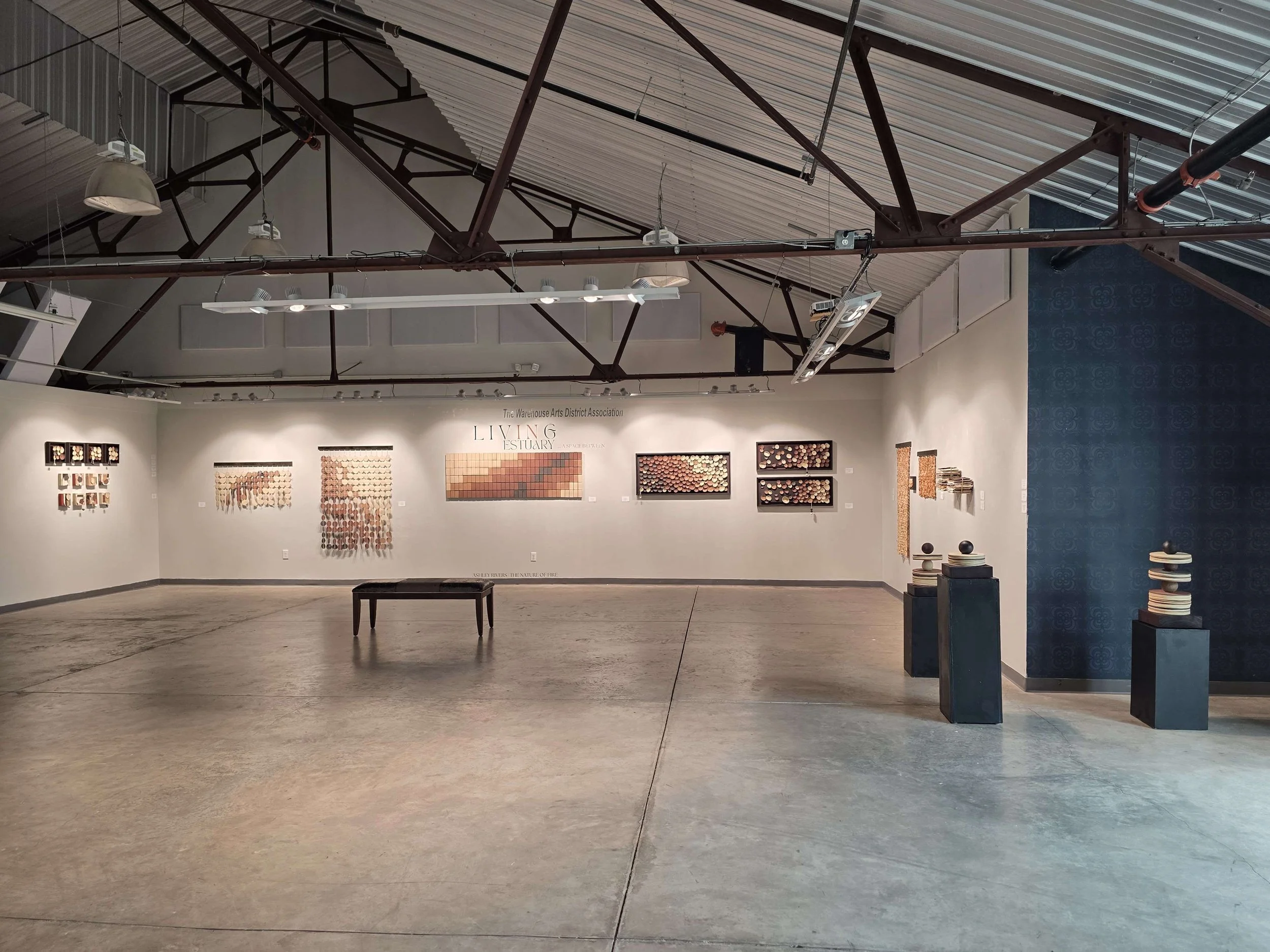
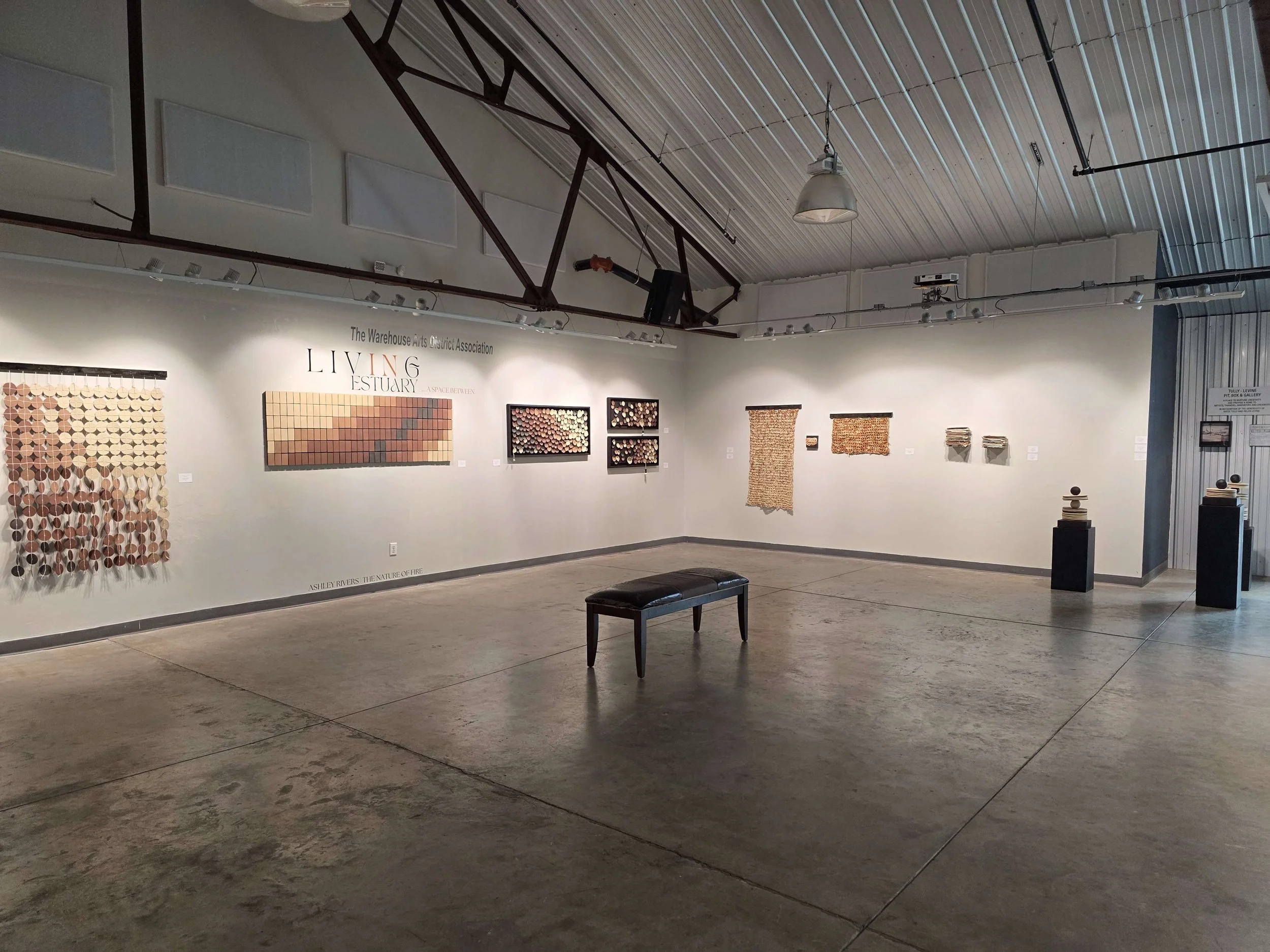
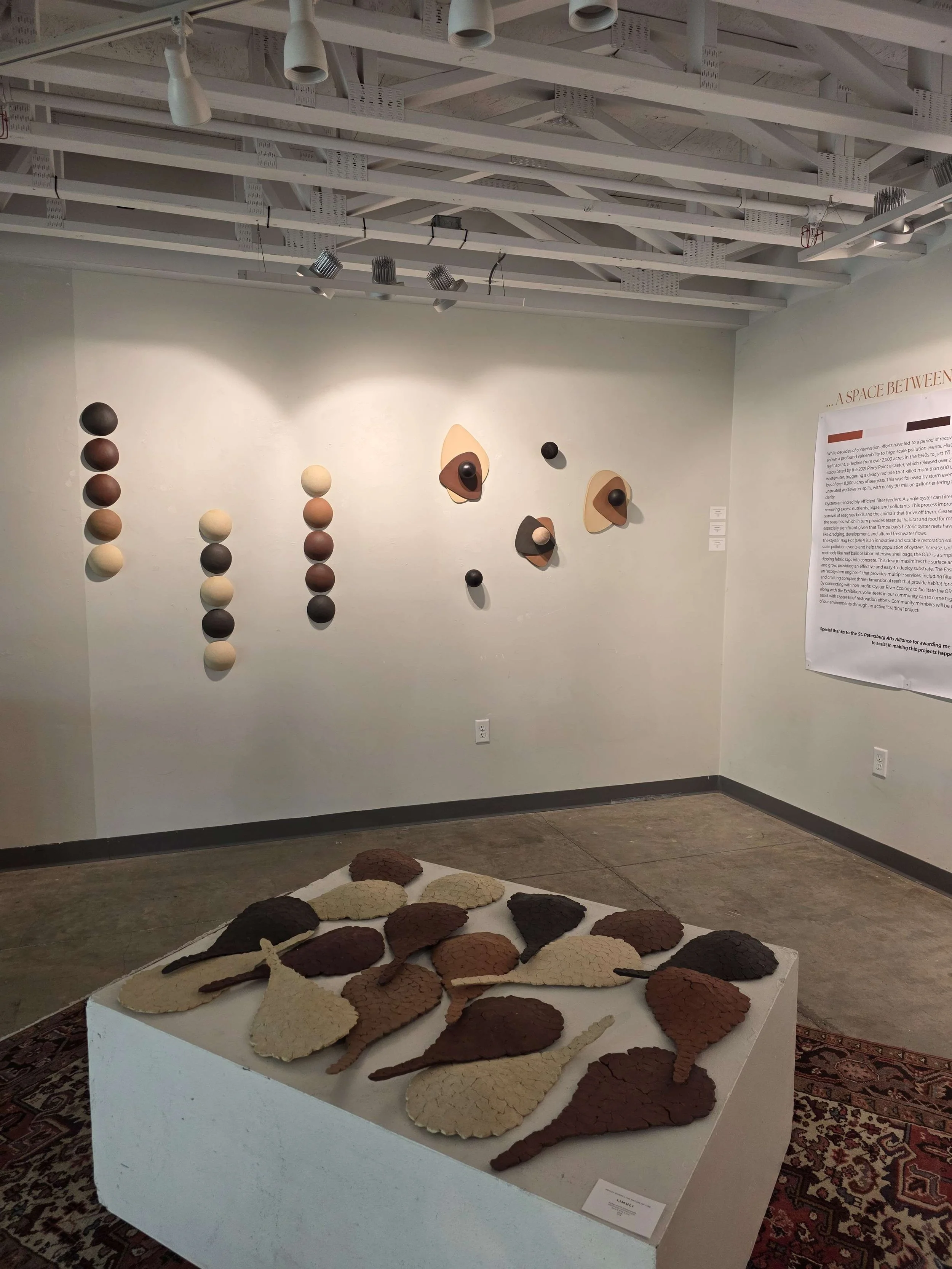
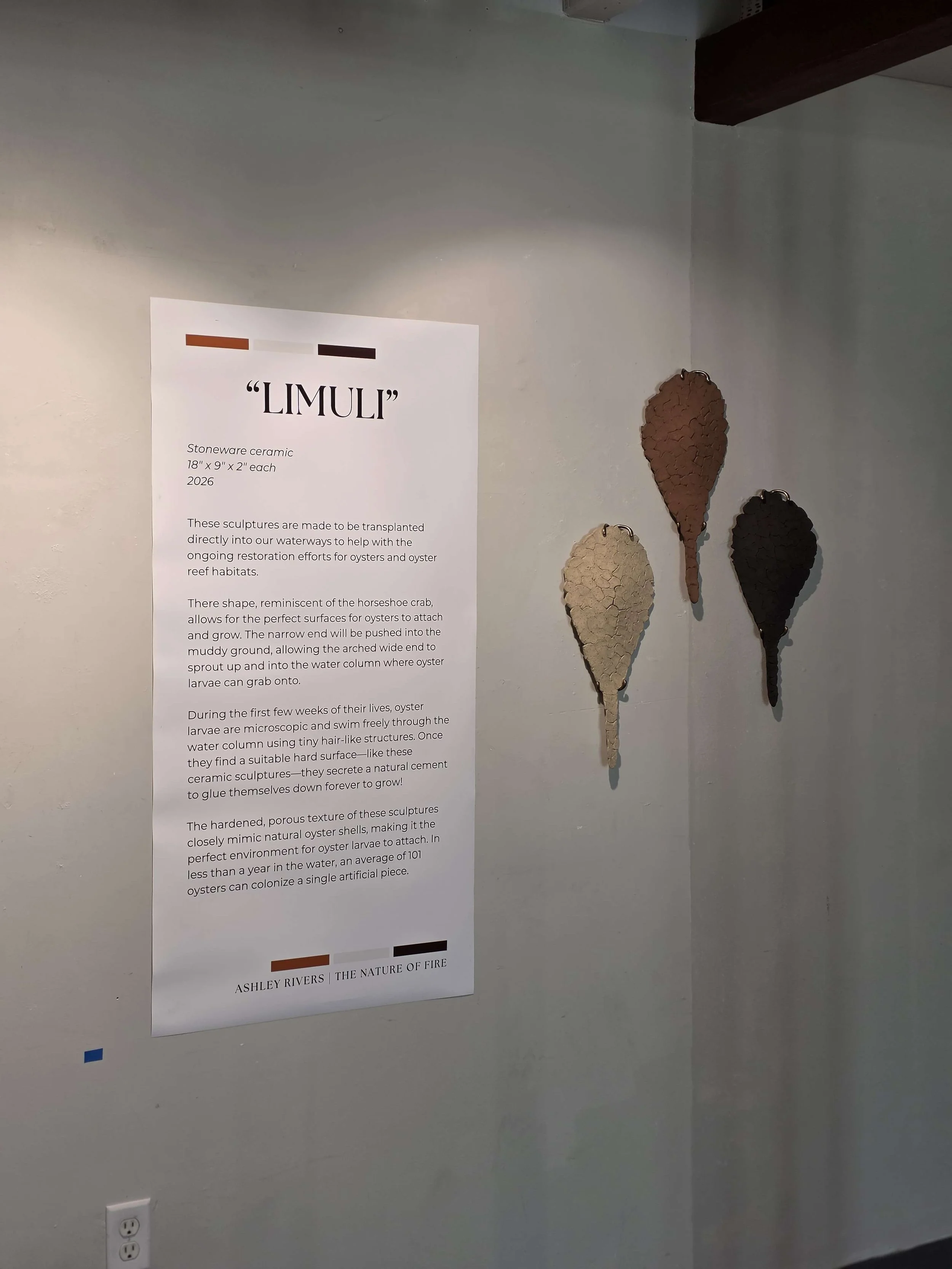
Working with multiple mediums- including clays, raw dyes and pigments, natural fibers, metals, wood, and hand-made papers and twines- the sculptures aim to share, through textural and vulnerable forms, that humans and nature share systematic parallels. This collection is directly influenced by the oyster shell and its deep, layered, and detailed ridges. Created through a combination of growth, environmental factors, and the deposition of materials, the ridges of the oyster shell act as a metaphor following my artistic identity and experiences lived.
The art is intended to achieve an inspiring and transformational impact on those who experience it by sharing the importance of not only restorative efforts of personal growth, but the importance of restorative efforts on/for the environment.
This exhibition is the space between.
Collaborations and Events
I have been working on this project in collaboration with the non-profit, Oyster River Ecology, aiming to spread knowledge and awareness regarding the need of restoration and conservation of our environment and our oyster reefs.
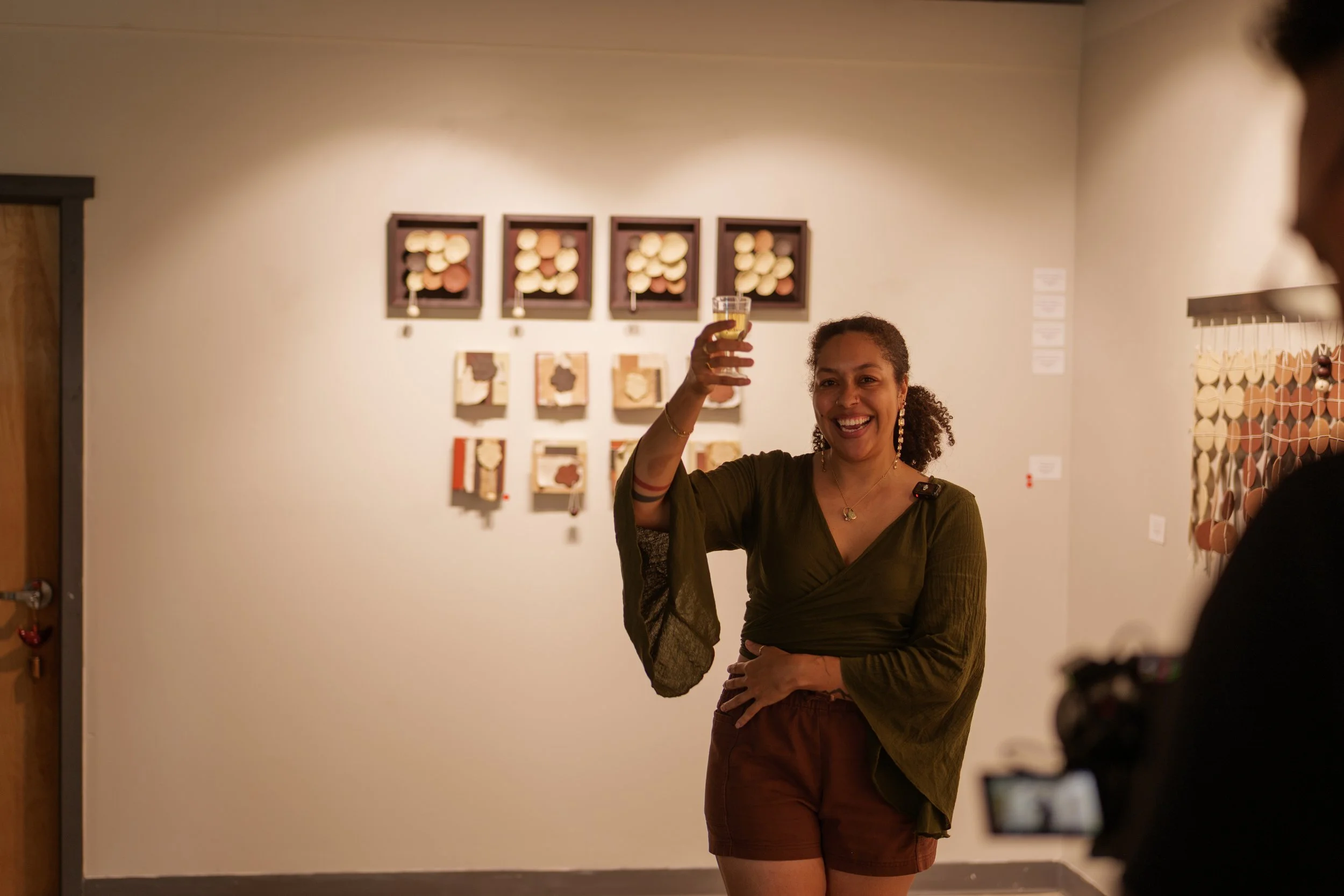
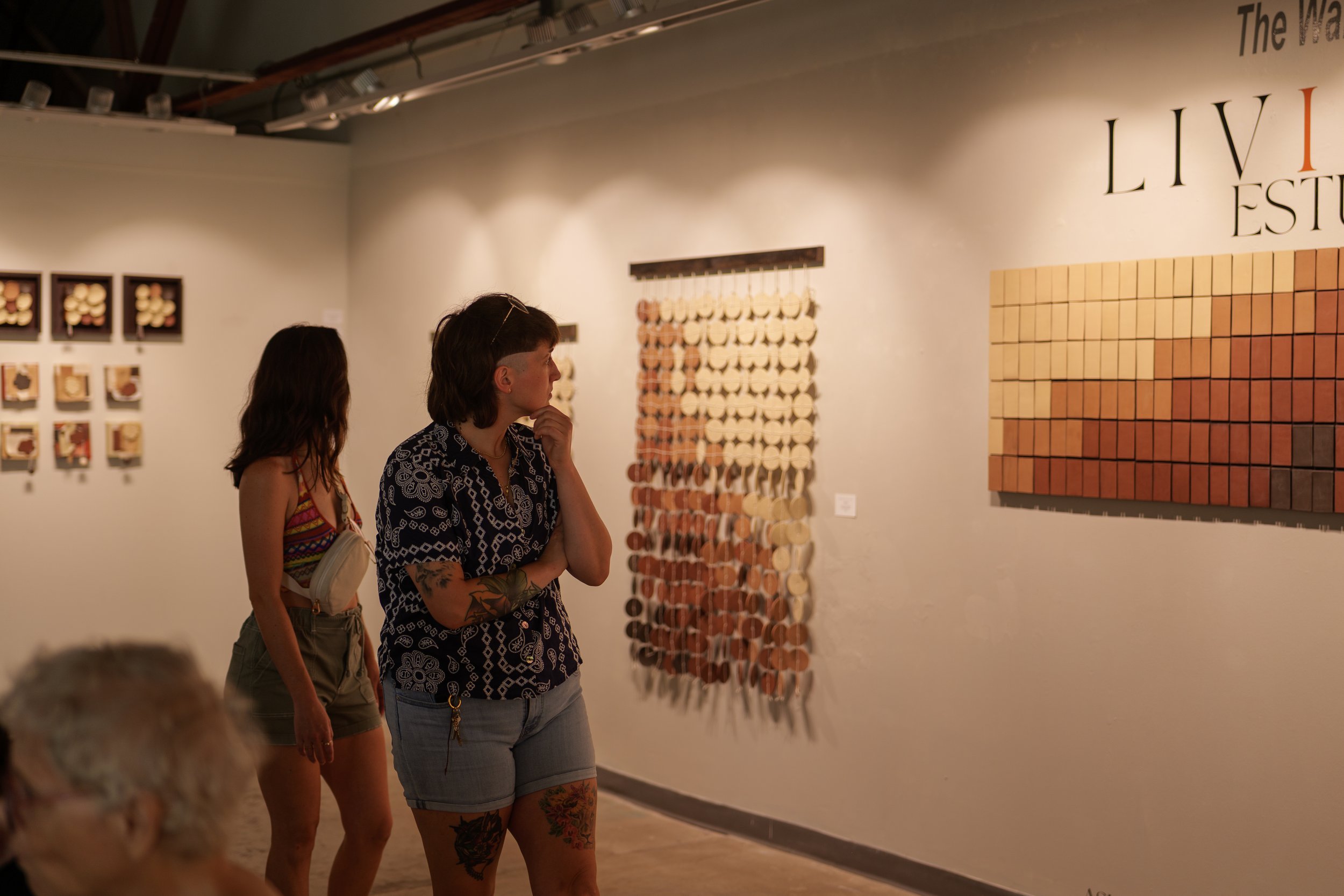
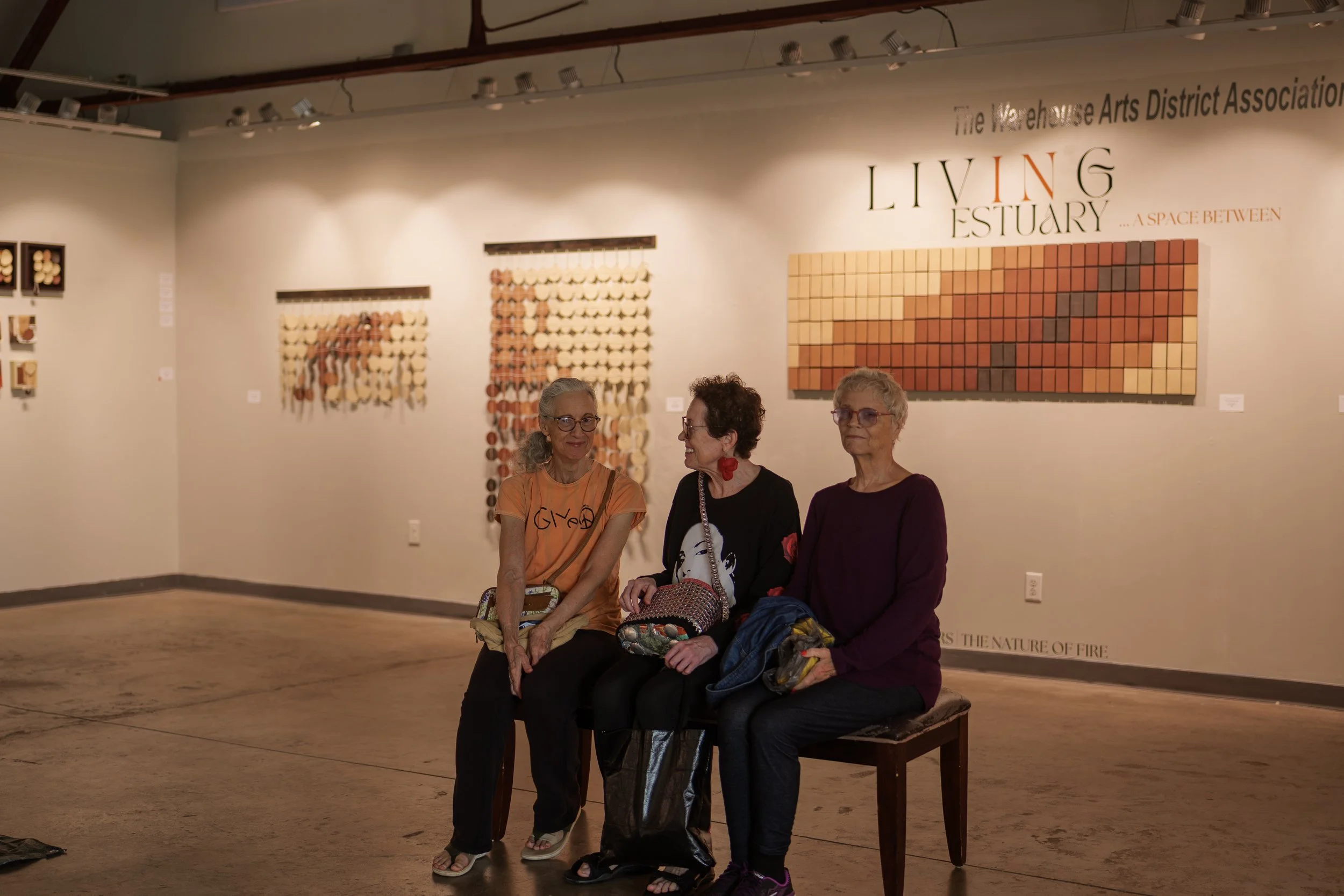
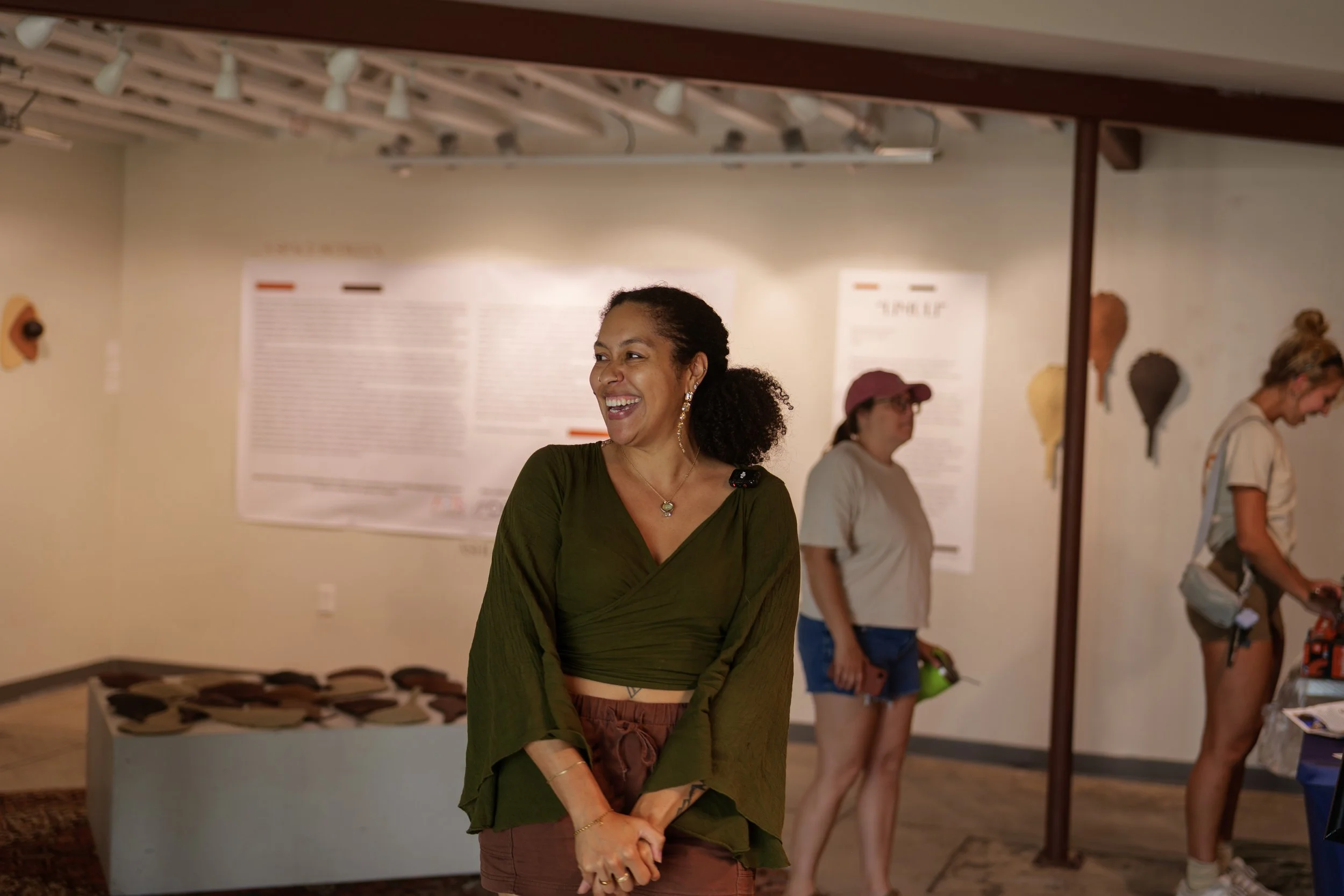
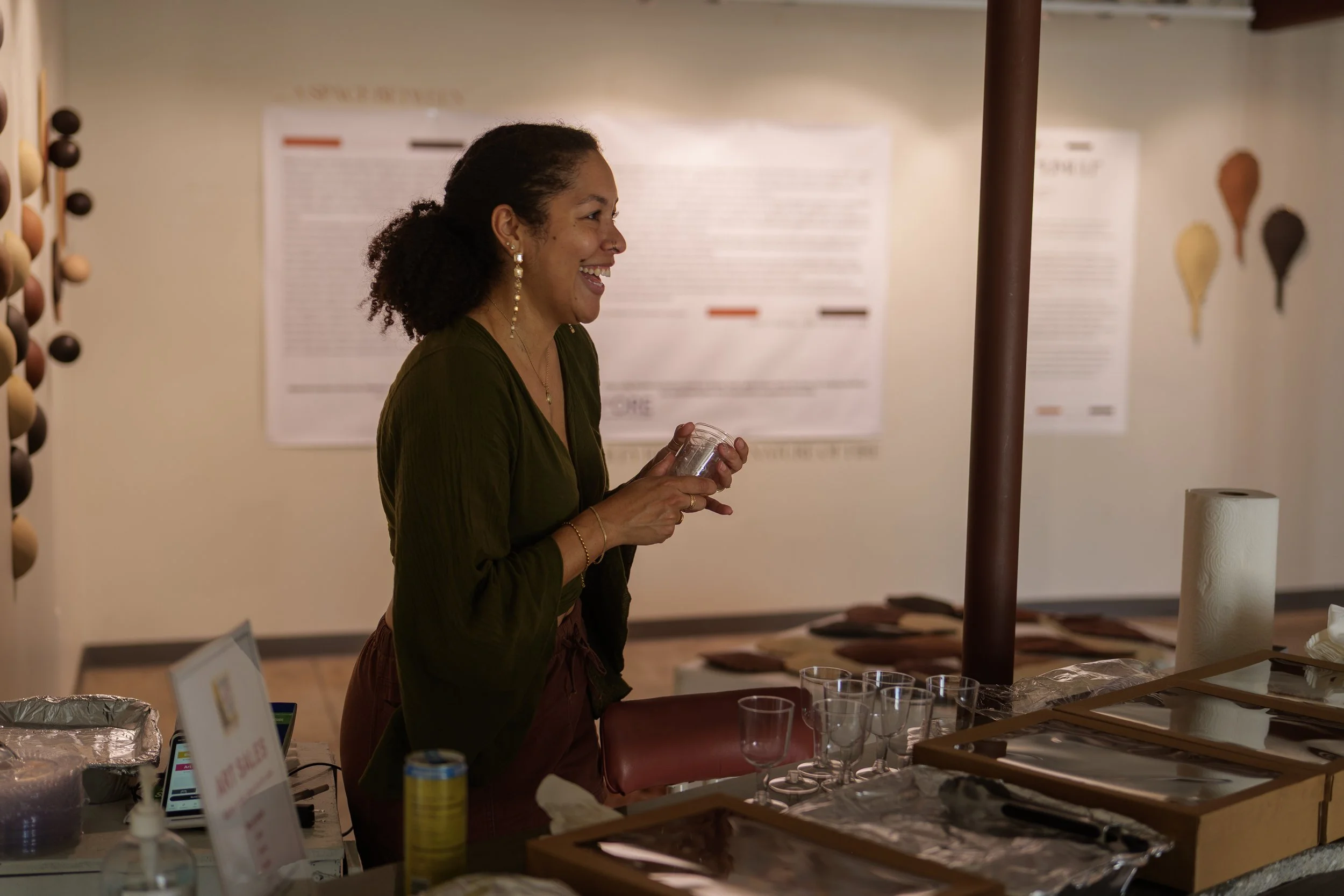
“L I V (I N) G Estuary” will be shown at multiple Gallery Spaces in the Tampa Bay Area, including the Tully Levine Gallery and the Brenda McMahon Art Gallery. In addition to the exhibition, in connection with Oyster River Ecology, I will be facilitating Oyster Rag Pot (ORP) Community Creation events, where I will invite/involve volunteers in our community to come together to create artificial ORP's to assist with Oyster Reef restoration efforts.
I will be creating and donating ORP's myself that are inspired by my own artistic style, that will be shown during the exhibition, and then assist in the planting of them, plus the community led ORPs, into our waterways for documentation.
L I V (I N) G Estuary Project Timeline
JUNE 2026
Tully Levine Gallery at the ArtsXchange
Opening Event: Saturday, June 6th 2026 from 3:30-5:00p
Second Saturday ArtWalk at the ArtsXchange
Saturday, June 13th 2026 from 5:00-9:00p
Artificial Oyster Pots- Community Creation Event & Exhibition Closing Event
Saturday, June 27th 2026 from 3:30-5:00p
SEPTEMBER 2026
Brenda McMahon Gallery
Opening Event: September 2026 TBD
First Friday ArtWalk in Downtown Gulfport
September 2026 TBD
Artificial Oyster Pots- Community Creation Event & Exhibition Closing Event
September 2026 TBD
Transplanting the Artificial Oyster Pots with Oyster River Ecology
Date: TBD